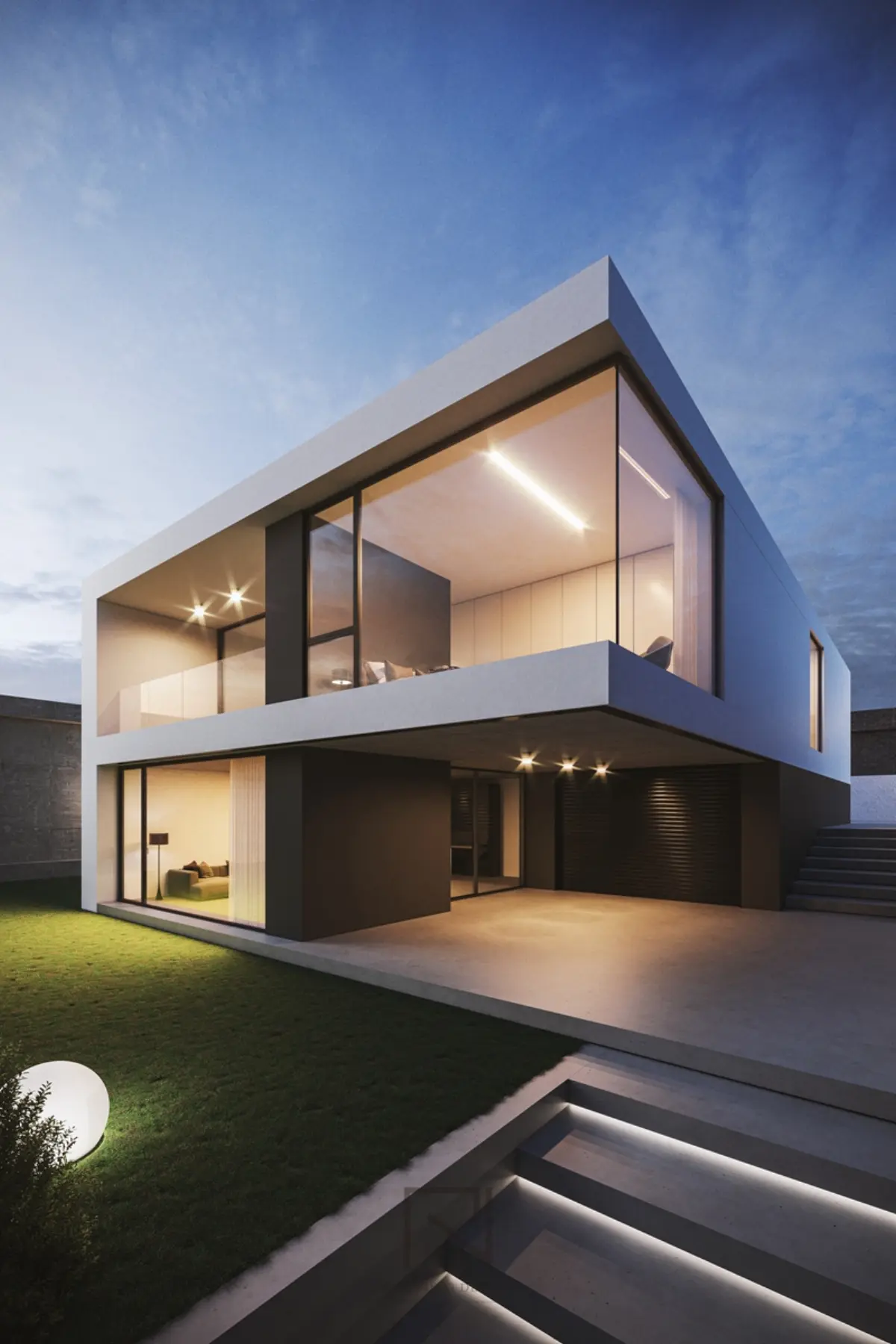
Choosing between casement and sliding windows is one of the most consequential decisions in tropical architecture. The right system affects not only the aesthetic language of a building, but also its thermal comfort, air quality, weather resistance, and long-term maintenance burden.
At Atlas Building Technology, we manufacture both systems in-house — from aluminium extrusion to final assembly. This guide draws on two decades of project experience across Singapore, Bangkok, Cape Town, and other tropical markets to help architects and homeowners make an informed choice.
How casement windows work
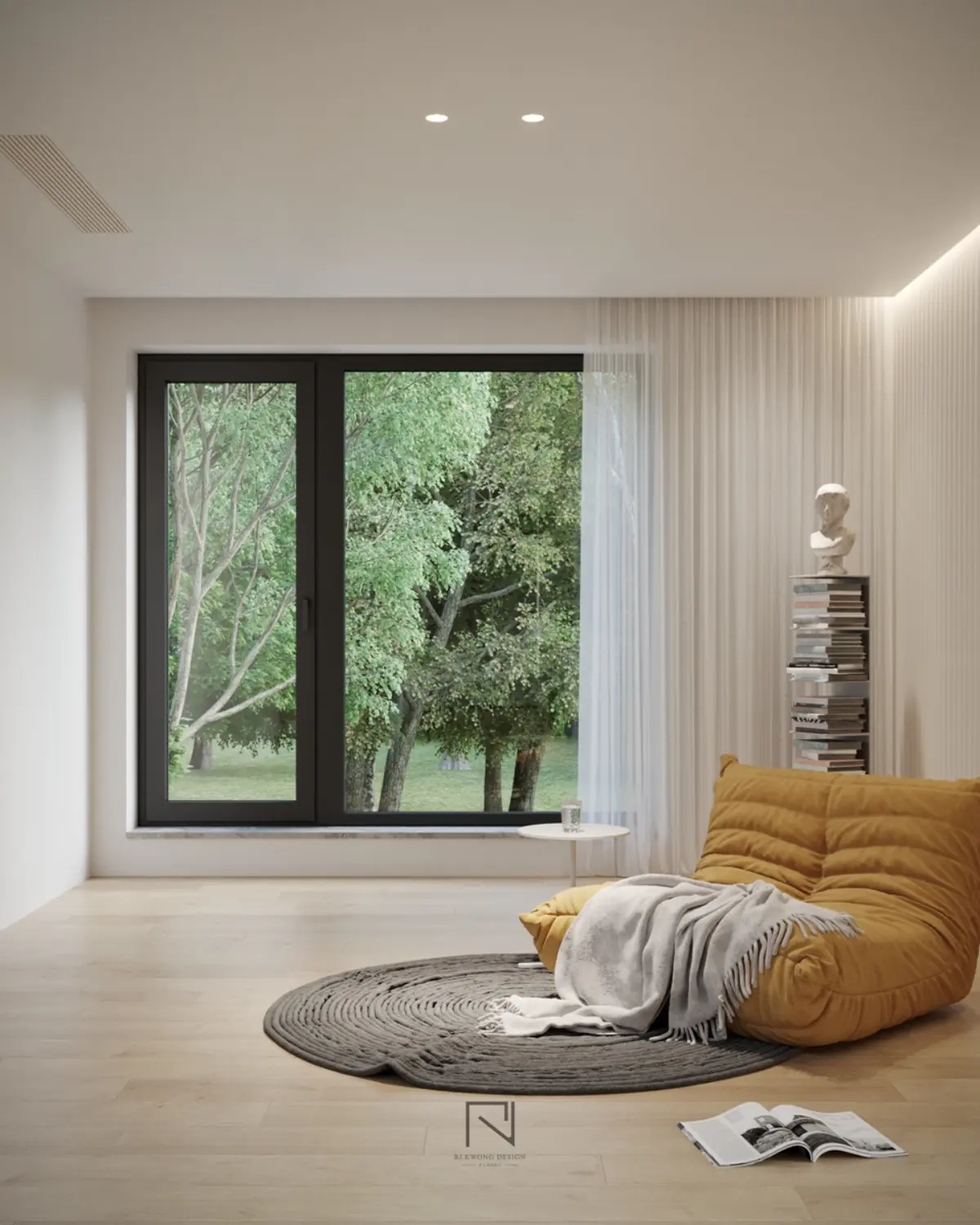
Casement windows are hinged on one side and open outward (or inward) like a door. They can be side-hung, top-hung, or bottom-hung depending on the application.
The defining advantage of casement windows is their sealing performance. When closed, the sash presses against the frame on all four sides, compressing multi-layer EPDM gaskets. This creates an airtight barrier that sliding systems — by their very nature — cannot fully replicate.
For tropical climates, this matters in three specific ways:
- Superior rain resistance: The compression seal prevents wind-driven rain from penetrating, even during monsoon downpours. Atlas casement systems are tested to 1,000 Pa water tightness.
- Better air-conditioning efficiency: The airtight closure reduces cooled air leakage, lowering energy consumption in consistently air-conditioned spaces.
- Integrated insect screening: Systems like the W123OUS combine the casement sash with a built-in SS316 diamond mesh screen — critical for mosquito-prone regions.
How sliding windows work
Sliding windows move horizontally along a track. One sash slides past another, which means at least part of the window is always overlapping rather than fully sealing.
The trade-off is spatial. Because sliding windows do not swing outward or inward, they are ideal for rooms that face balconies, walkways, or compact courtyards where an outward-opening sash would be an obstruction.
In tropical architecture, sliding windows excel when:
- Space is limited: No swing radius is required, making them perfect for apartments and terrace houses.
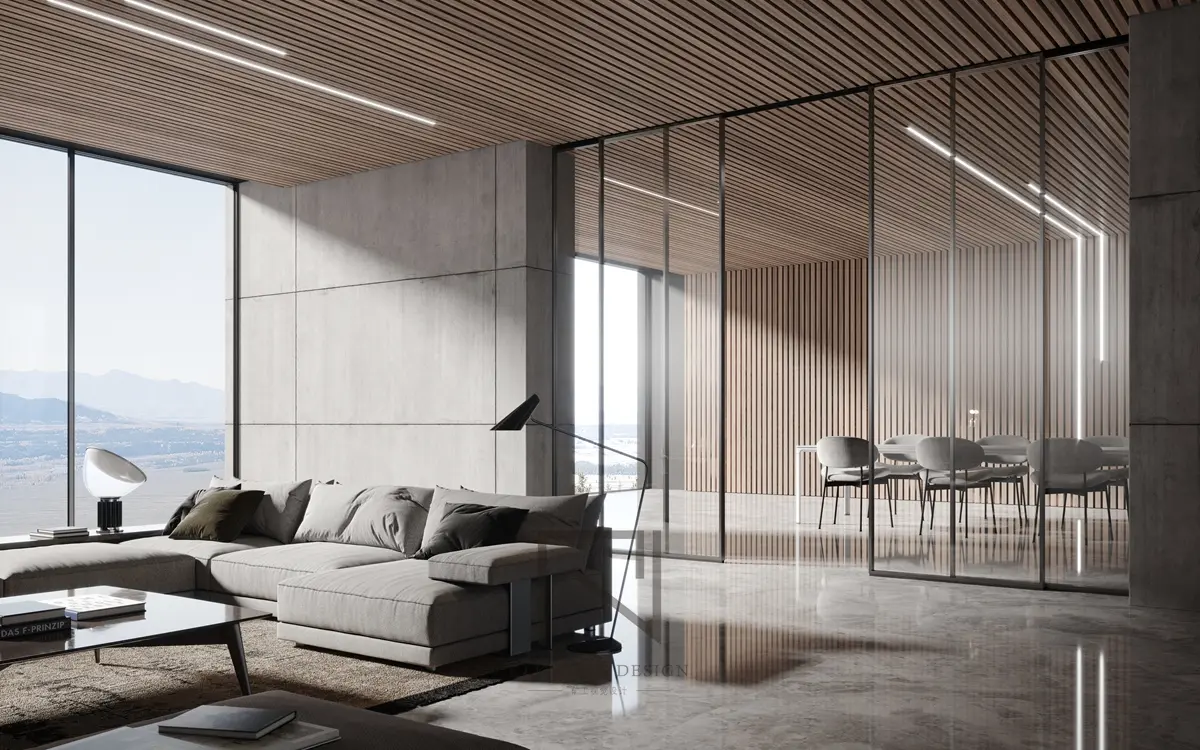
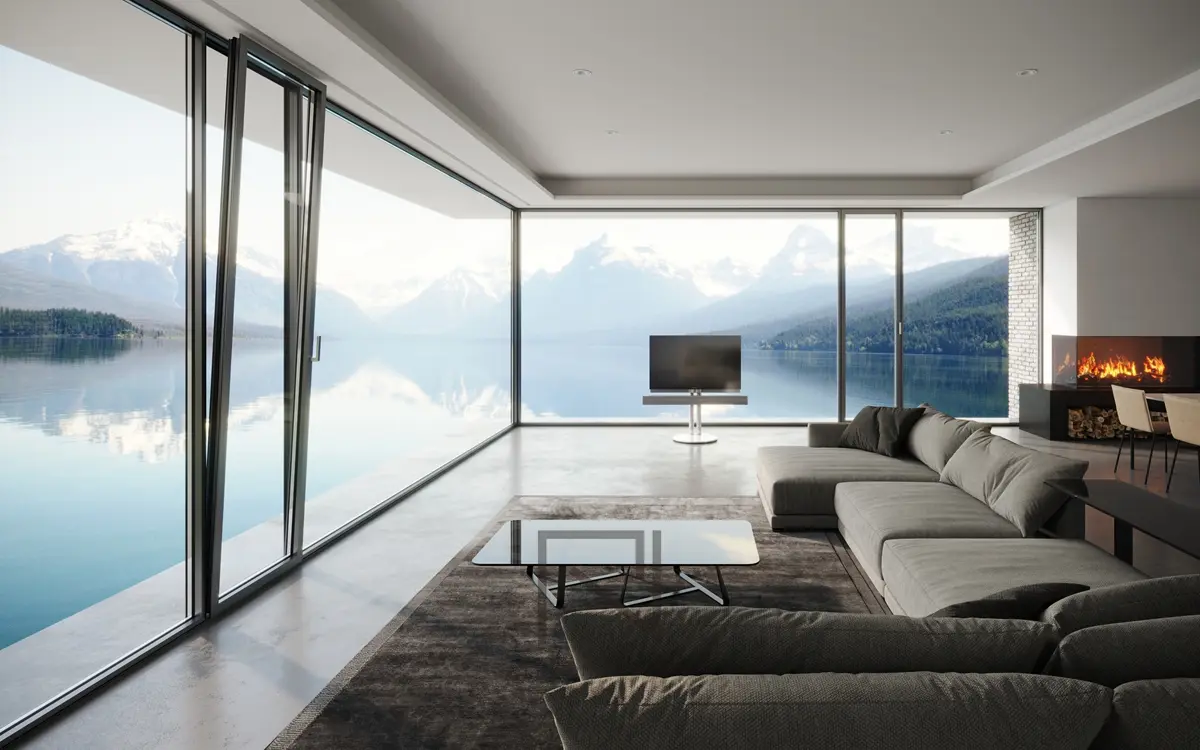
- Panoramic views are prioritised: Modern slim-frame sliding systems like the P138SW achieve interlocks as narrow as 24mm, preserving sightlines.
- Natural cross-ventilation is desired: The large opening aperture allows significant airflow when the sash is fully open — often more than a casement window of the same rough opening.
Head-to-head comparison for tropical climates
| Criteria | Casement | Sliding |
|---|---|---|
| Weather sealing | Excellent | Good |
| Ventilation (max airflow) | Moderate | Excellent |
| Space required | Swing radius | None |
| Thermal insulation | U ≥ 2.3 W/(m²·K) | U ≥ 1.7 W/(m²·K) |
| Insect screen integration | Built-in available | Requires separate track |
| Maintenance (coastal) | Low | Track cleaning required |
| Best for | Bedrooms, studies, AC spaces | Living rooms, balconies, tight spaces |
Our recommendation by room type
After specifying thousands of tropical residences, our project team has observed clear patterns in which rooms benefit most from each system.
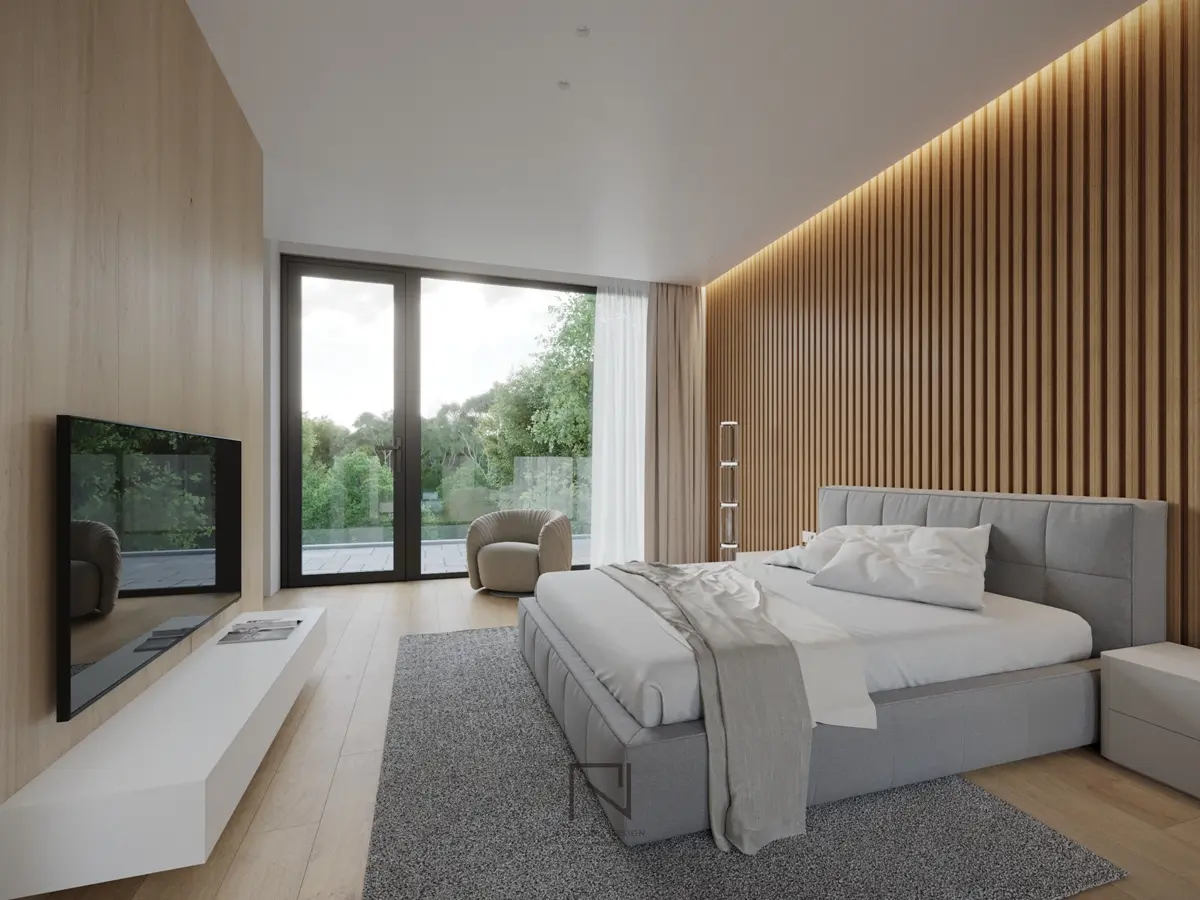
Bedrooms and studies: Casement windows are preferred. The superior sealing keeps air-conditioned spaces efficient, and the integrated fly screen is essential for overnight comfort without insect intrusion. The W123OUS with its inward-opening screen sash is particularly popular for these applications.
Living rooms and entertainment spaces: Sliding windows often win here. The unobstructed opening creates a dramatic connection to terraces and gardens, and the lack of swing radius means furniture can be placed closer to the glazing. For ultra-large openings, the P168SD sliding door system achieves vent areas up to 18 m².
Kitchens and utility rooms: Parallel-opening windows like the W118P offer a middle ground — a narrow 20cm secure opening that provides ventilation without the full swing of a casement or the track maintenance of a sliding unit.
Material considerations: why aluminium dominates the tropics
In tropical and coastal climates, uPVC and timber struggle with UV degradation, humidity expansion, and salt corrosion. Aluminium 6063-T5, the alloy used across all Atlas systems, offers:
- Zero moisture absorption or warping
- Excellent corrosion resistance when anodised or powder-coated
- Structural strength for large glazing spans
- 25+ year service life with minimal maintenance
The thermal break profiles used in Atlas systems also prevent the exterior heat from conducting directly to the interior frame surface — an important comfort factor in climates where ambient temperatures regularly exceed 30°C.
Final verdict
There is no universal "best" window type. The right choice depends on the room function, spatial constraints, ventilation strategy, and thermal performance targets of the project.
For tropical climates, our general rule is:
- Choose casement windows when weather sealing, insect protection, and AC efficiency are the top priorities.
- Choose sliding windows when space is tight, panoramic views are paramount, and natural cross-ventilation is desired.
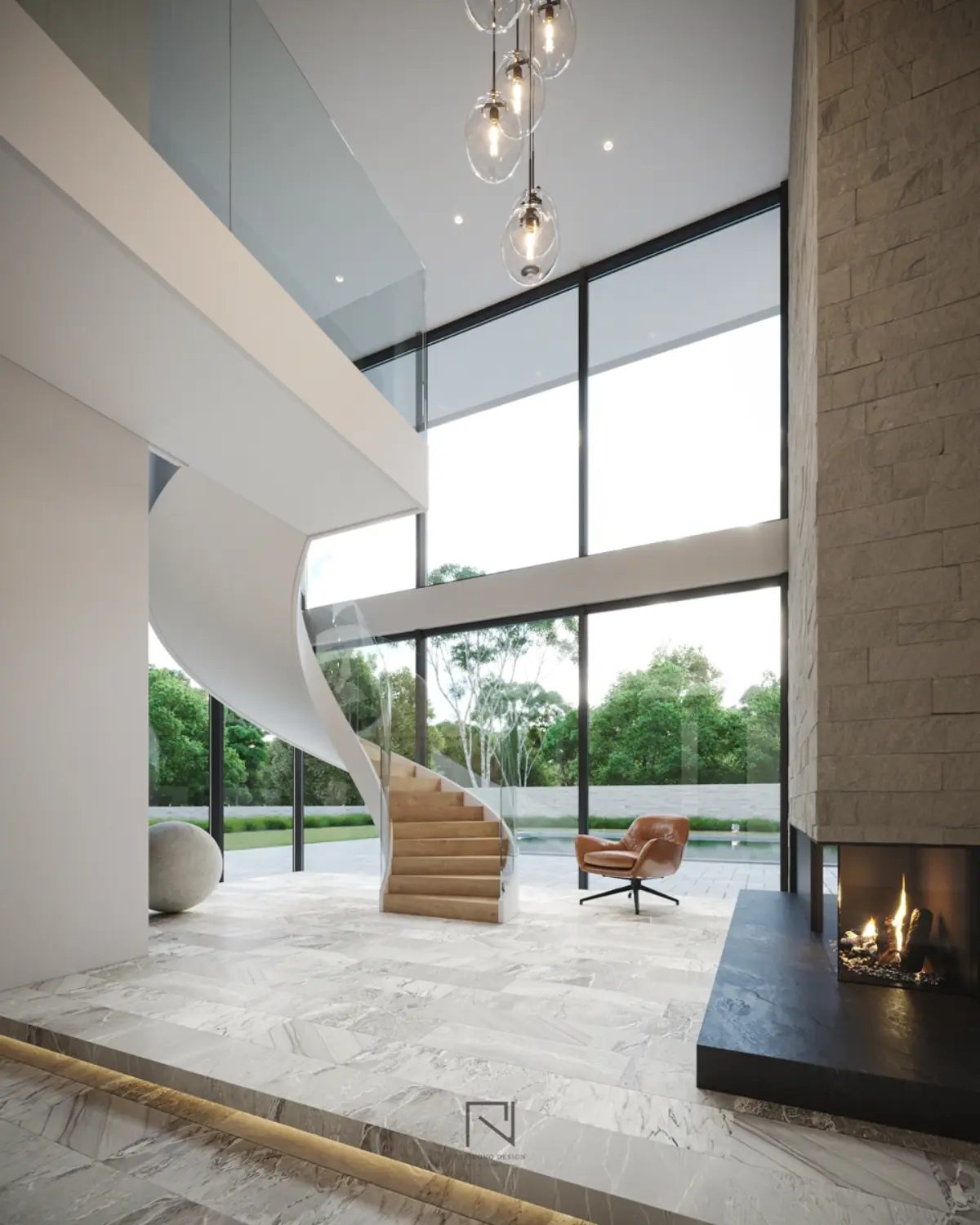
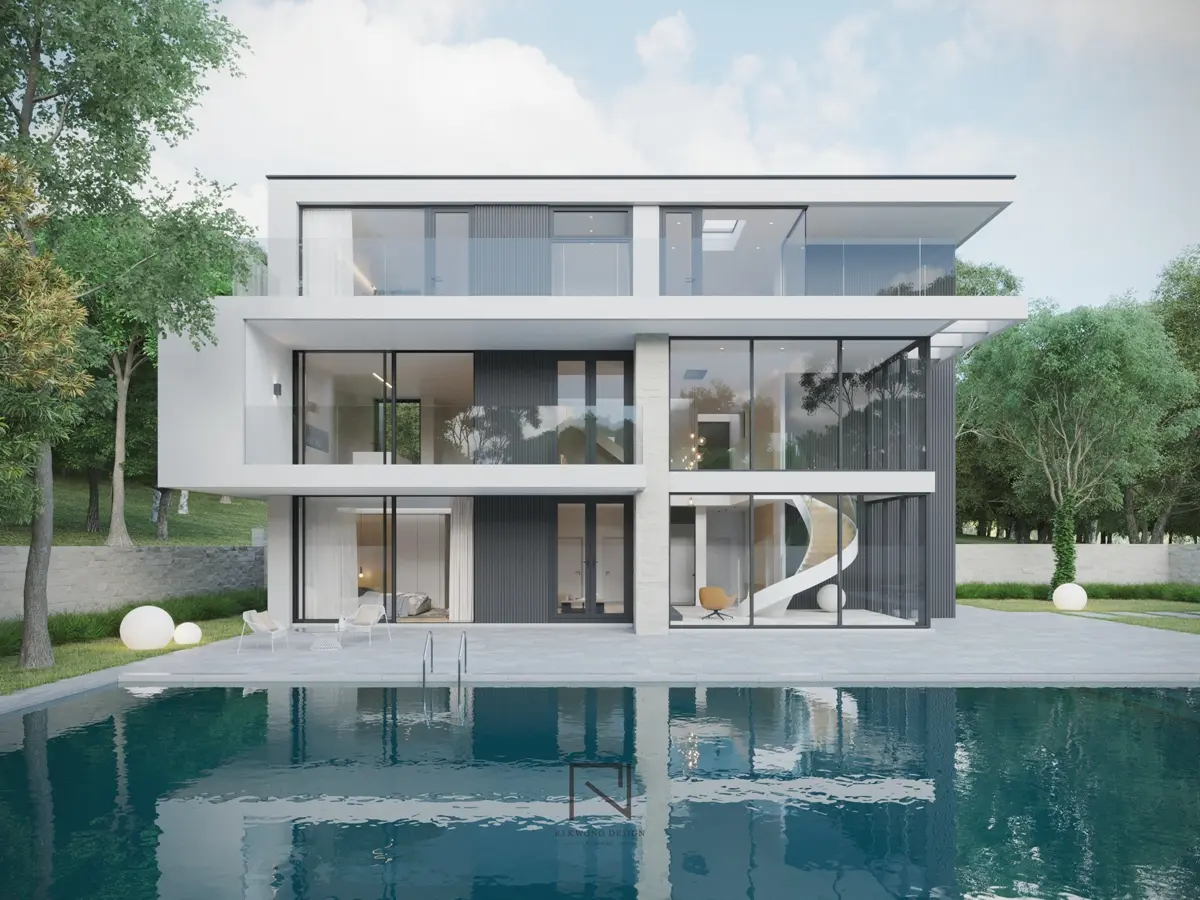
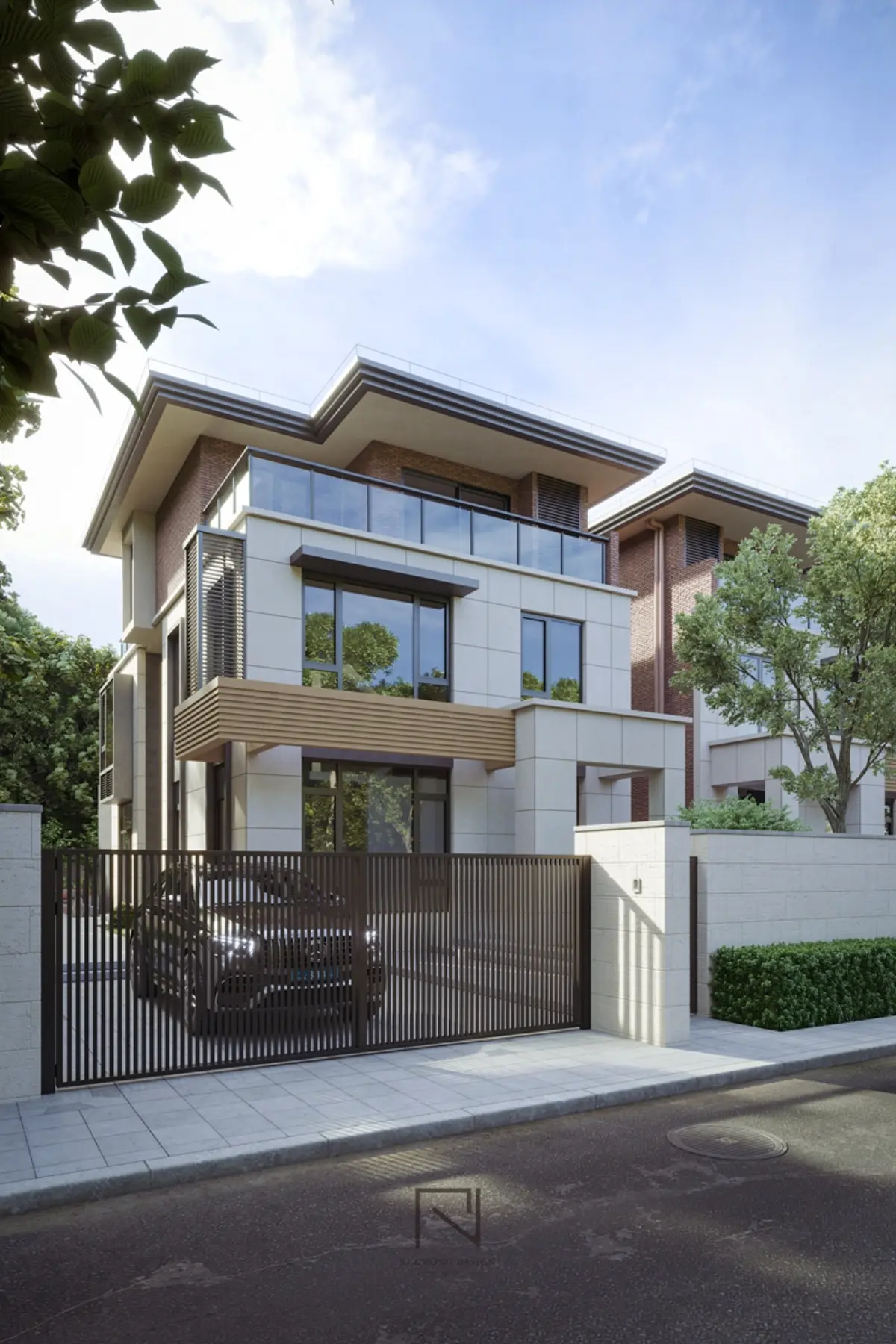
Many of our most successful projects — including the Singapore Modern Villa — use a combination of both, allocating each system to the rooms where it performs best.
If you are specifying a project and would like tailored recommendations based on floor plans and orientation, contact our technical team for a consultation.