Outdoor shade is usually sold through lifestyle images: a quiet terrace, filtered light, a dining table under soft fabric. But the real test is not the photograph. The real test is wind. A shade system that looks elegant on a calm afternoon can become noisy, unstable, or unusable when installed on a coastal balcony, rooftop terrace, exposed restaurant patio, or pool deck.
This guide helps architects, hospitality operators, and homeowners choose the right wind-resistant outdoor shade system. The answer is not always "buy the strongest pergola." The right choice depends on wind exposure, desired openness, mounting surface, drainage needs, and whether the space must stay usable during rain.
Start with exposure, not product type
Most specification mistakes happen because the buyer starts with a product category: pergola, awning, canopy, umbrella, or shade screen. A better starting point is exposure.
| Site Condition | Typical Risk | Best Atlas Direction |
|---|---|---|
| Open coastal terrace | High wind uplift, salt exposure, sudden storms | AT Louvre with engineered anchoring |
| Rooftop or raised deck | Gust acceleration around building edges | Wind-load checked pergola |
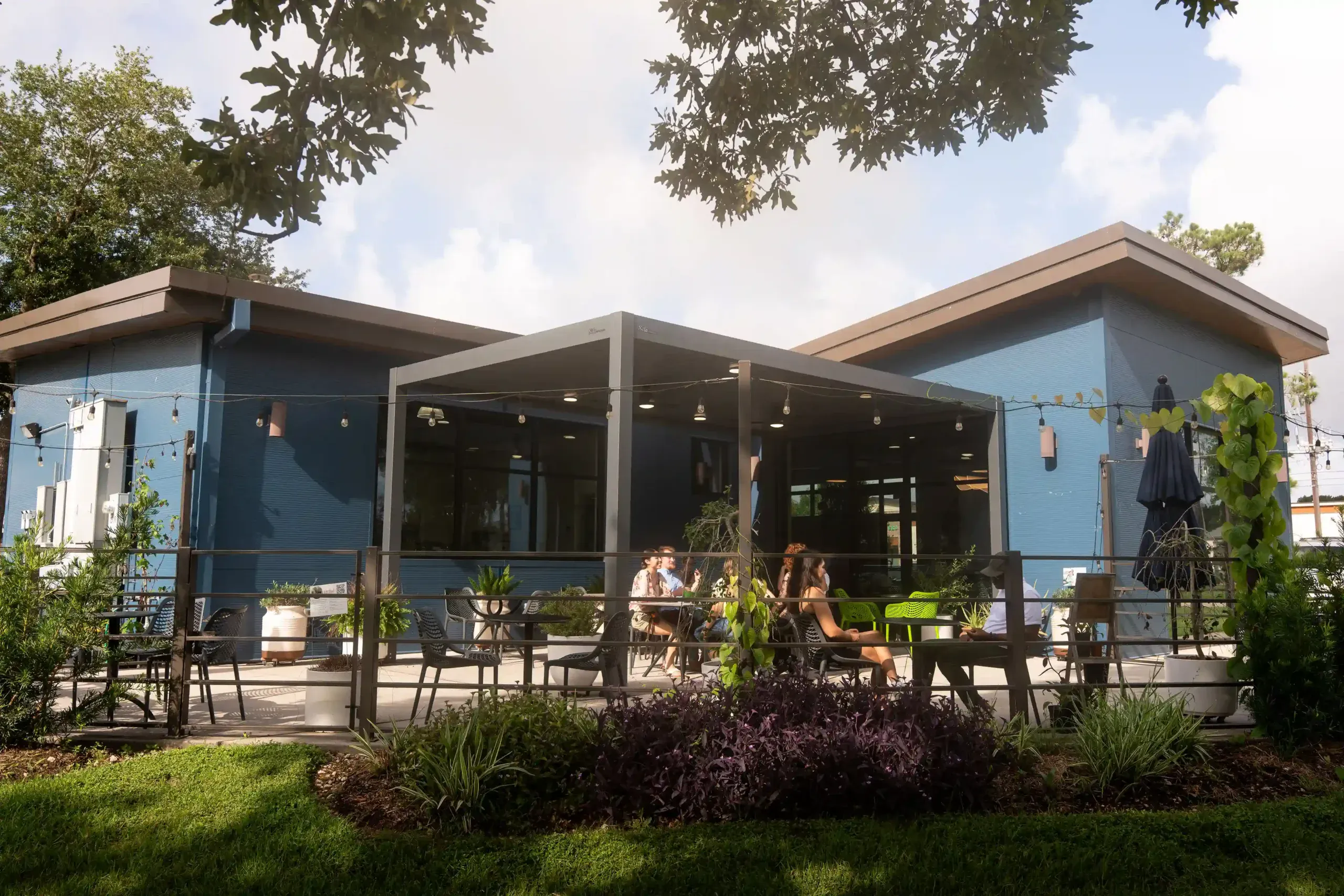
| Restaurant patio | Need for shade, rain control, and daily operation | AT Retractable or modular pergola |
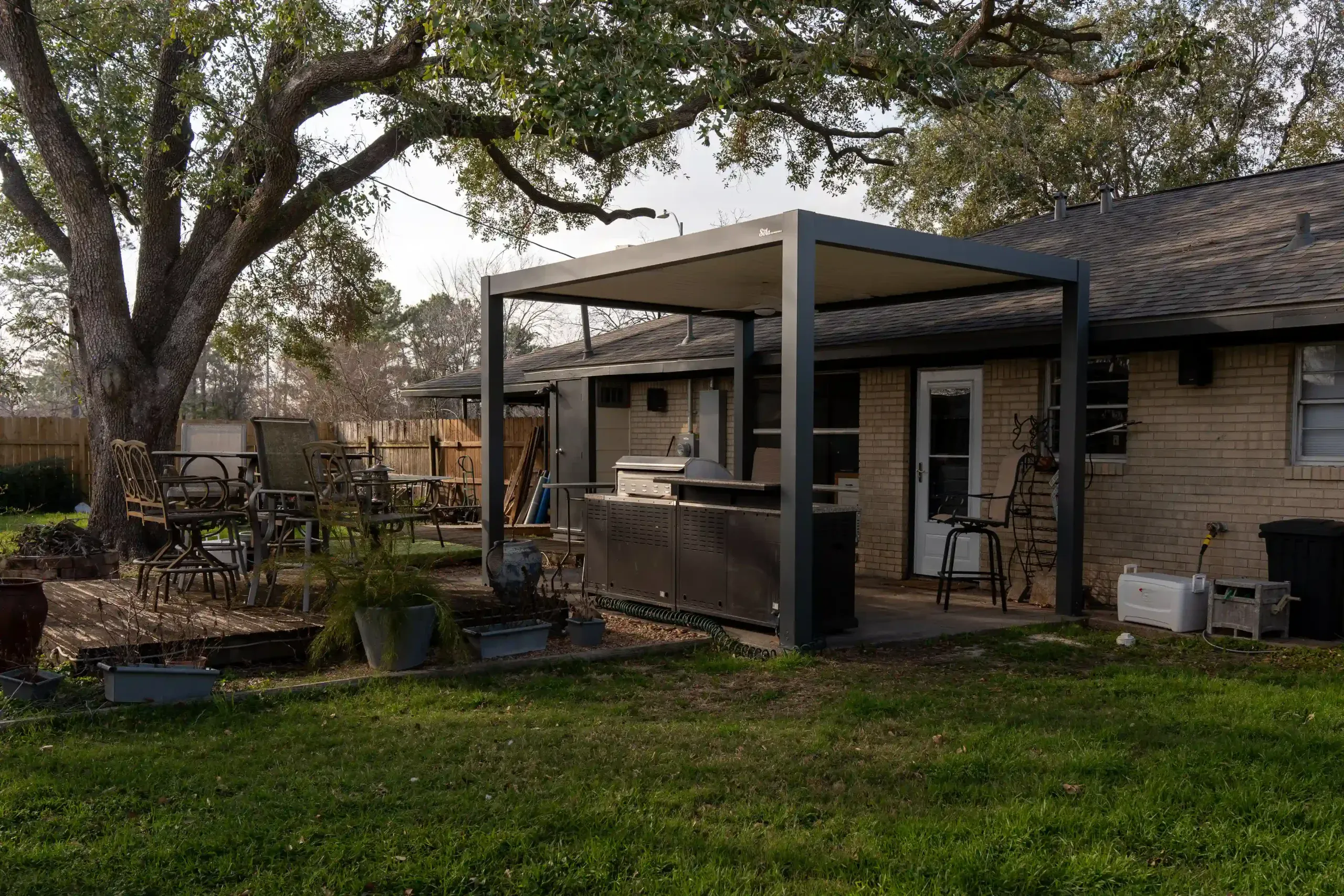
| Garden seating area | Moderate wind, flexible furniture layout | AT-4 freestanding retractable awning |
| Windows and balconies | Low-angle sun, facade heat gain, limited mounting depth | AT-5 drop-arm awning |
If the site is exposed to strong seasonal winds, the system should be treated as part of the building envelope, not as loose outdoor furniture. That means structural posts, proper base plates, rated fasteners, drainage planning, and a clear operating rule for extreme weather.
Option 1: louvered aluminium pergola for year-round control
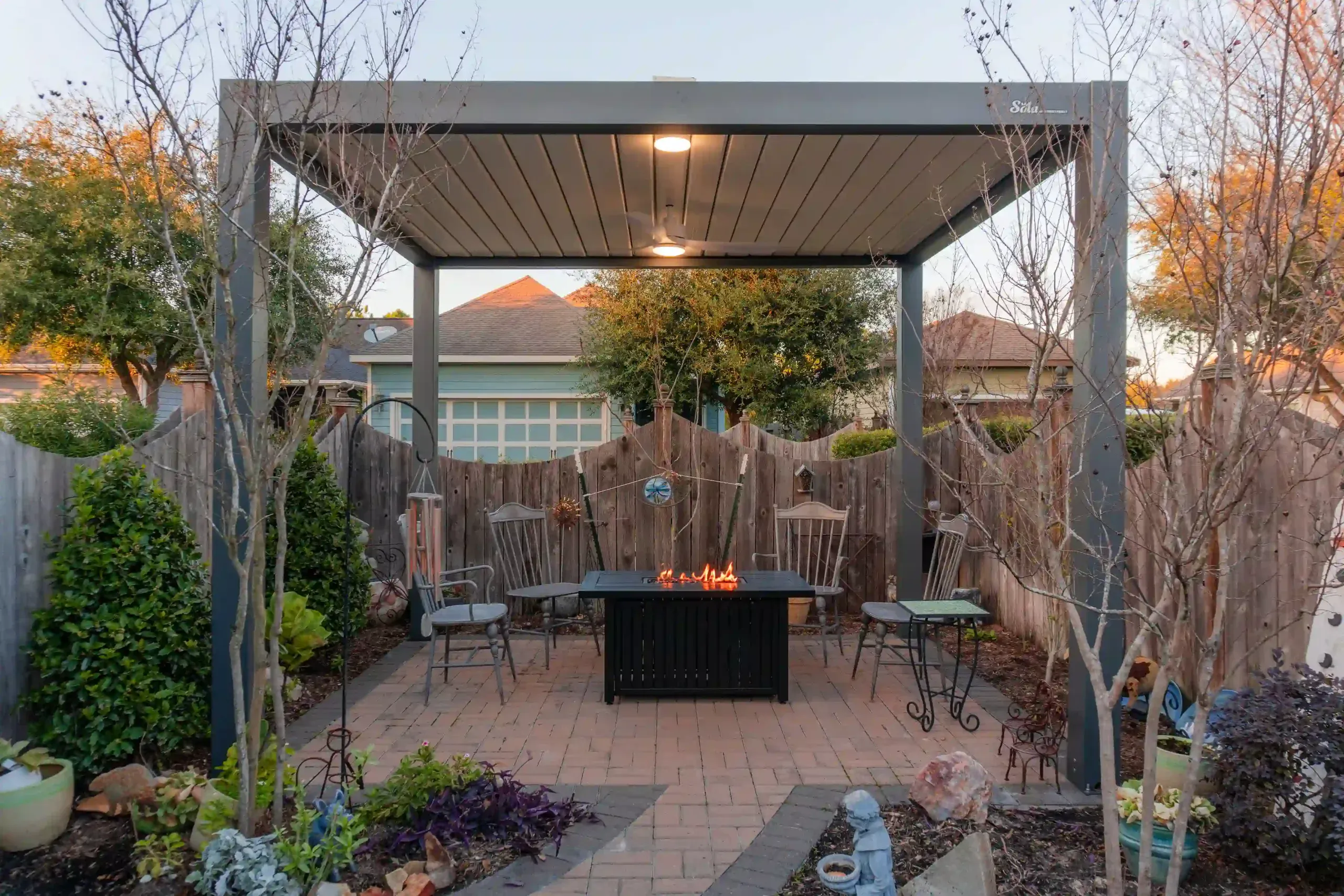
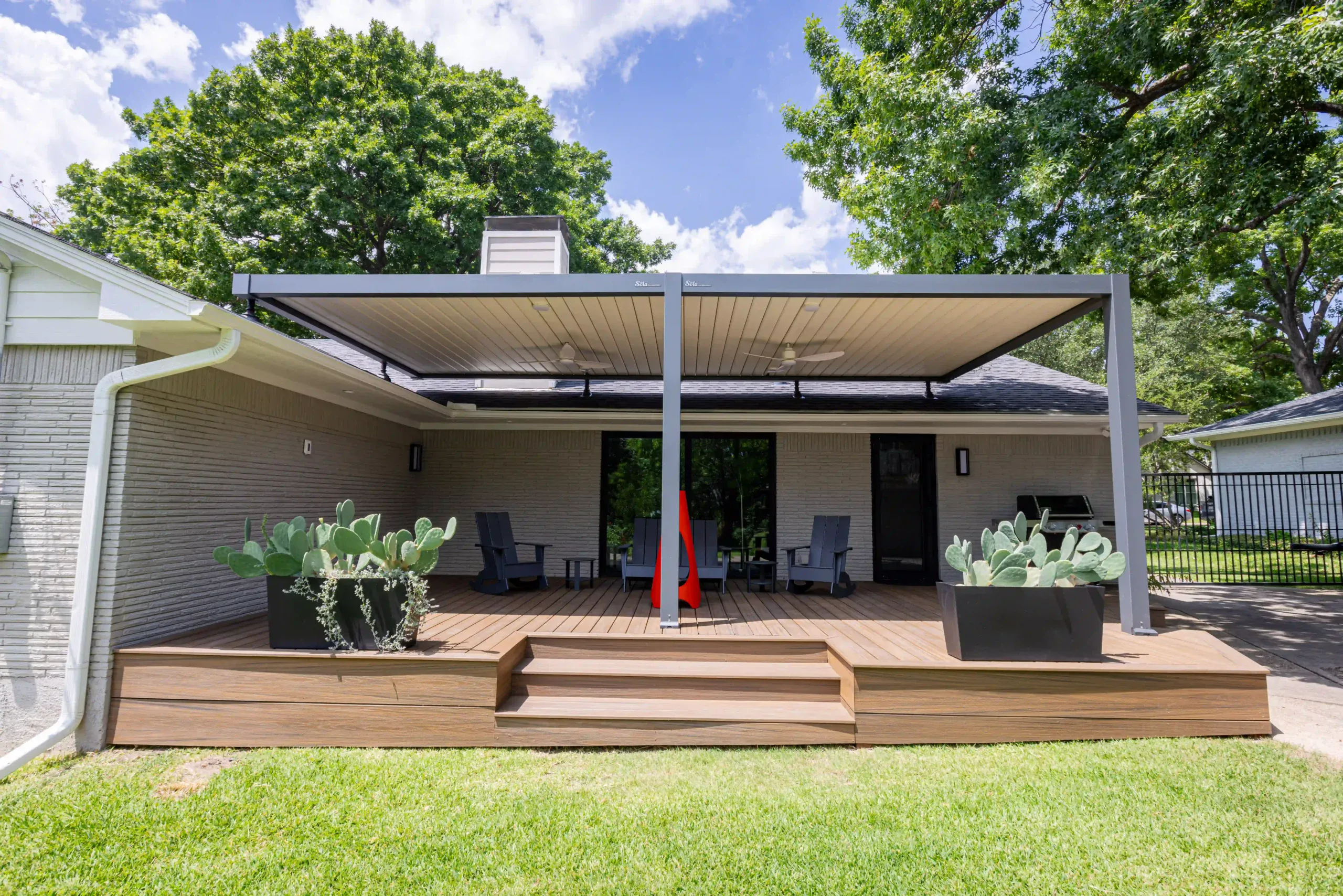
A motorised louvered pergola is the most complete answer when the outdoor area must remain usable through sun, rain, and moderate wind. The Atlas AT Louvre uses rotating aluminium blades that adjust from open ventilation to a closed weather seal. Hidden drainage channels guide rainwater through the frame and posts rather than letting water pour from the roof edge.
This matters in windy conditions because a fixed fabric surface can behave like a sail. Louvers give the operator more control. In ordinary sun, the blades can be angled for shade and airflow. In rain, they can close for shelter. In higher wind, the operating strategy depends on the exact installation and engineering advice, but the core advantage remains: a rigid aluminium roof and anchored post system is more stable than a loose umbrella or unsupported canopy.
Choose a louvered pergola when the project needs:
- Freestanding or wall-mounted outdoor rooms
- Better rain management than fabric shade
- Integrated lighting, fan, or side screen options
- Higher wind resistance with proper anchoring
- A permanent architectural structure rather than seasonal shade
Option 2: retractable pergola when the view matters
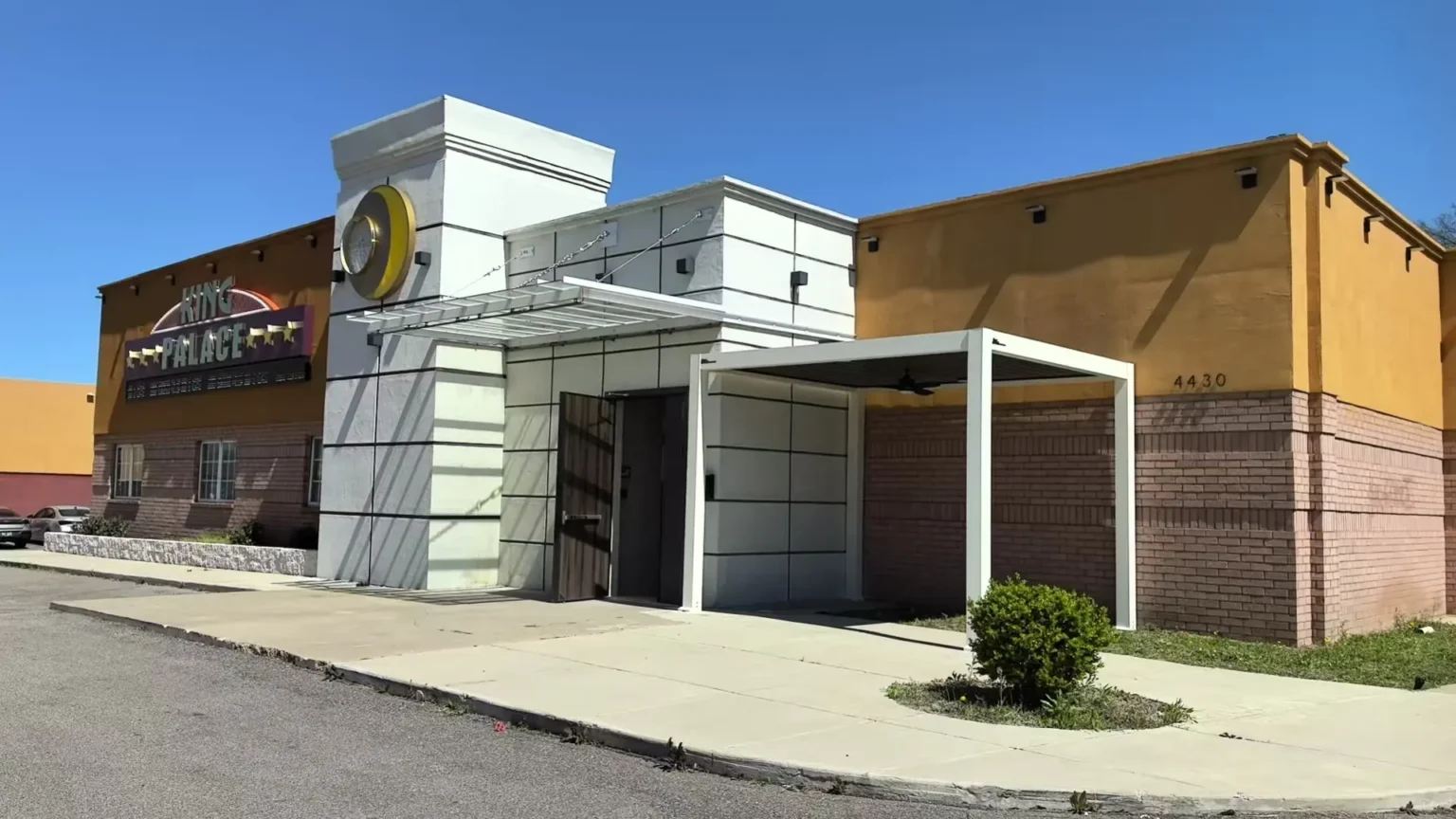
A retractable roof pergola is ideal when the client wants shade on demand but does not want a permanent roof overhead. The Atlas AT Retractable opens the roof area so the terrace can return to open-sky mode when conditions are comfortable.
Compared with a louvered pergola, a retractable system often suits hospitality and residential projects where atmosphere changes through the day: breakfast shade, afternoon ventilation, evening openness. The trade-off is operational discipline. Retractable systems should be opened or secured according to manufacturer guidance when wind exceeds the design operating range.
Choose a retractable pergola when the project needs:
- Open-sky views when shade is not required
- Flexible ambience for restaurants, clubs, and private terraces
- A more minimal roof presence than fixed patio covers
- Motorised operation across larger seating zones
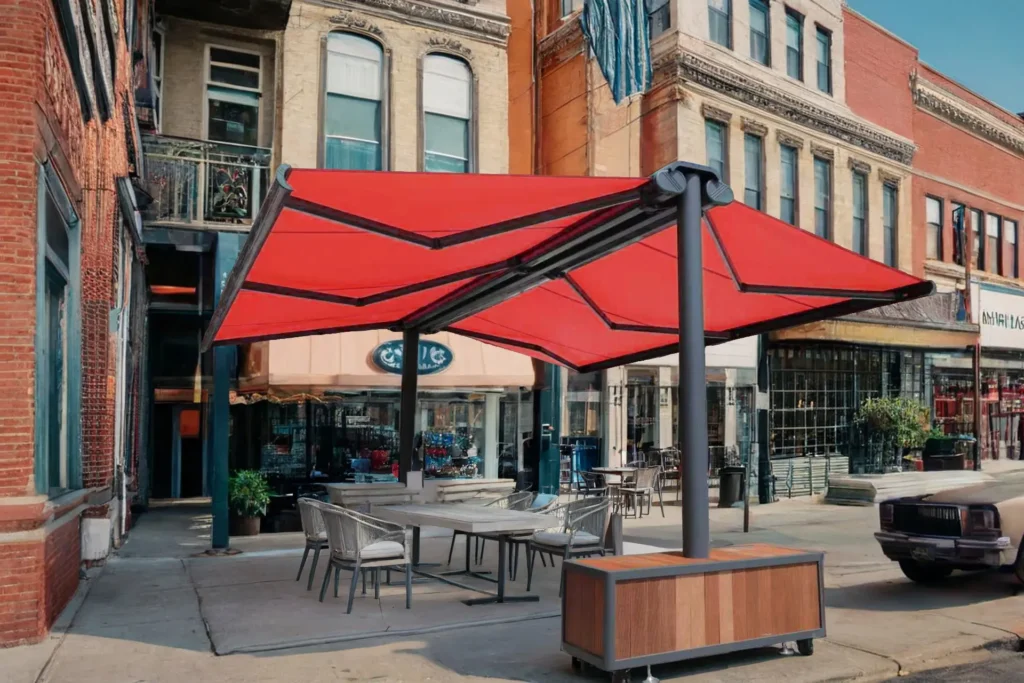
Option 3: butterfly awning for sculptural shade in moderate wind
The Atlas AT-3 butterfly awning is designed for expressive outdoor shade where the structure itself becomes part of the visual identity. Its dual wings can be adjusted independently, making it useful for garden lounges, poolside seating, and hospitality terraces where the shade angle changes throughout the day.
Because the AT-3 is an awning system rather than a full pergola, it should be specified for moderate wind exposure and operated with common sense. In calm and breezy conditions, it provides dramatic coverage and a lighter architectural presence than a permanent roof. For highly exposed rooftops or coastal sites, a louvered aluminium pergola will usually be the more conservative engineering choice.
Option 4: freestanding retractable awning for flexible layouts
The Atlas AT-4 freestanding retractable awning works well when the project needs shade without connecting to a facade. It is useful for poolside seating, event lawns, garden dining areas, and commercial patios where furniture layouts change seasonally.
The main advantage is flexibility. The main limitation is exposure. A freestanding awning should not be treated like a storm-rated roof. It is best for controlled outdoor areas where the owner can retract the fabric during strong wind or heavy weather.
Option 5: drop-arm awning for facade heat and privacy
Not every shade problem is a patio problem. Many buildings need solar control at windows, balconies, and glass curtain walls. The Atlas AT-5 drop-arm awning shades the glass before heat enters the building, reducing glare and improving interior comfort.
Drop-arm awnings are especially useful when a pergola would be too deep or too visually heavy. They help with low-angle sun, facade privacy, and balcony comfort. For strong wind exposure, the key is correct sizing, secure mounting, and retraction during severe weather.
How to compare wind resistance honestly
Wind ratings are often misunderstood. A product can have a laboratory rating, but the installed system is only as strong as the weakest part of the chain: substrate, anchor bolts, base plates, columns, fasteners, roof mechanism, and operation habits.
Ask these questions before buying any outdoor shade system:
- What wind speed is the structure designed for when installed on my substrate?
- Is the rating for operation, survival, or both?
- Does the supplier provide anchoring details for concrete, steel, timber deck, or rooftop slab?
- What should the user do when a storm warning is issued?
- Are replacement motors, sensors, fabrics, or control parts available locally?
- Can the supplier show reference projects in similar exposure conditions?
For permanent installations, request drawings and design assumptions. For commercial sites, especially hospitality patios and rooftops, wind-load review should happen before procurement, not after installation.
Simple decision rule
If the shade system must stay outdoors year-round and protect people during both sun and rain, start with an aluminium pergola. If the project values openness and the owner can retract the roof during weather events, consider a retractable pergola. If the space needs lighter, seasonal, or facade-mounted shade, use the appropriate awning type.
Rule of thumb: use AT Louvre for exposed all-weather outdoor rooms, AT Retractable for open-sky terraces, AT-3 for sculptural garden shade, AT-4 for flexible freestanding layouts, and AT-5 for windows and balconies.
Final thoughts
The most wind-resistant outdoor shade is not the heaviest product. It is the system whose engineering matches the site. A shaded courtyard, a seaside villa, a shopping mall plaza, and a rooftop restaurant all need different answers.
Atlas designs aluminium pergolas and awning systems as project-specific shade architecture. If you are comparing systems for a windy patio, coastal terrace, or commercial outdoor area, send the Atlas team your dimensions, site photos, and location. We can help identify which structure belongs on the project before money is spent on the wrong product.