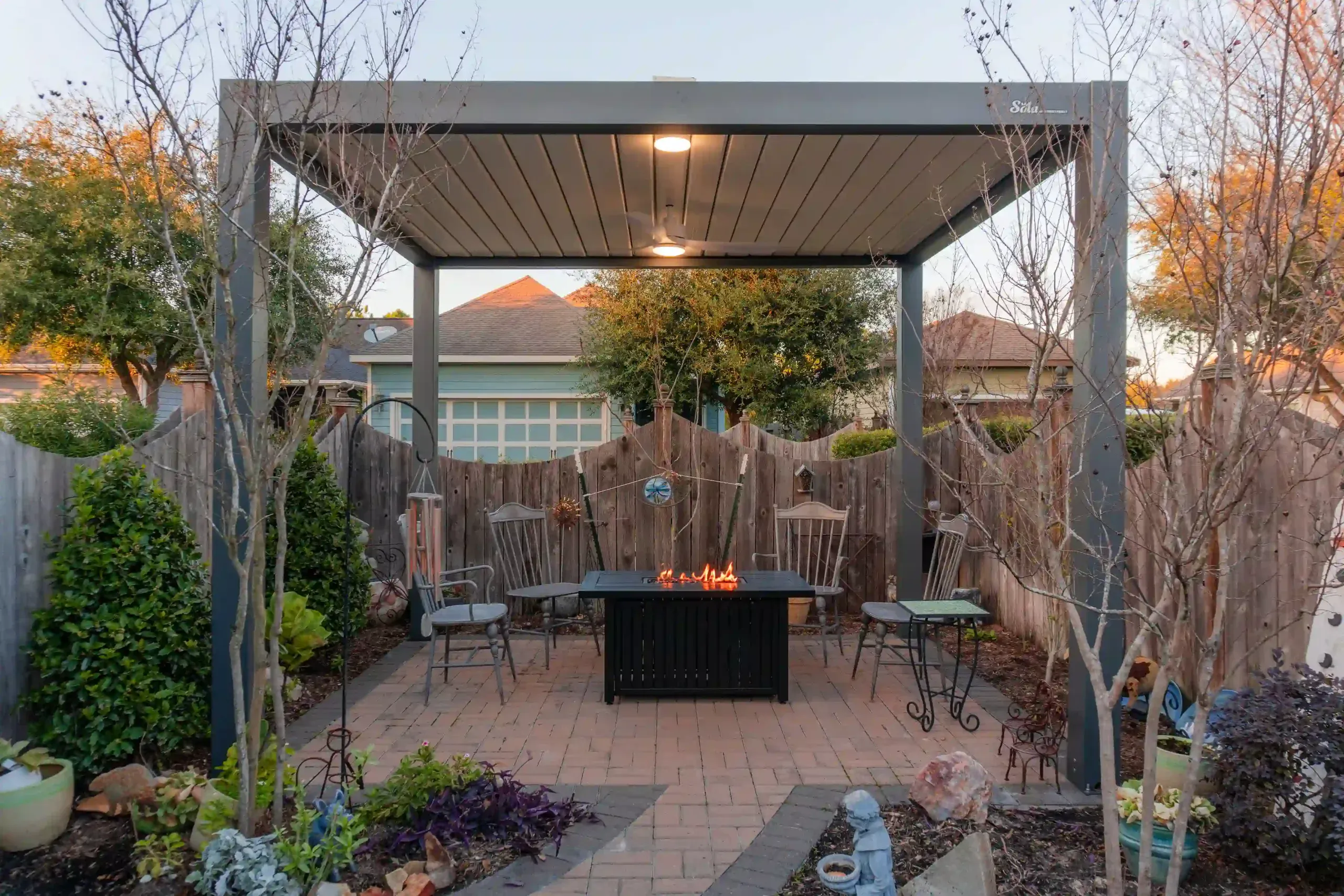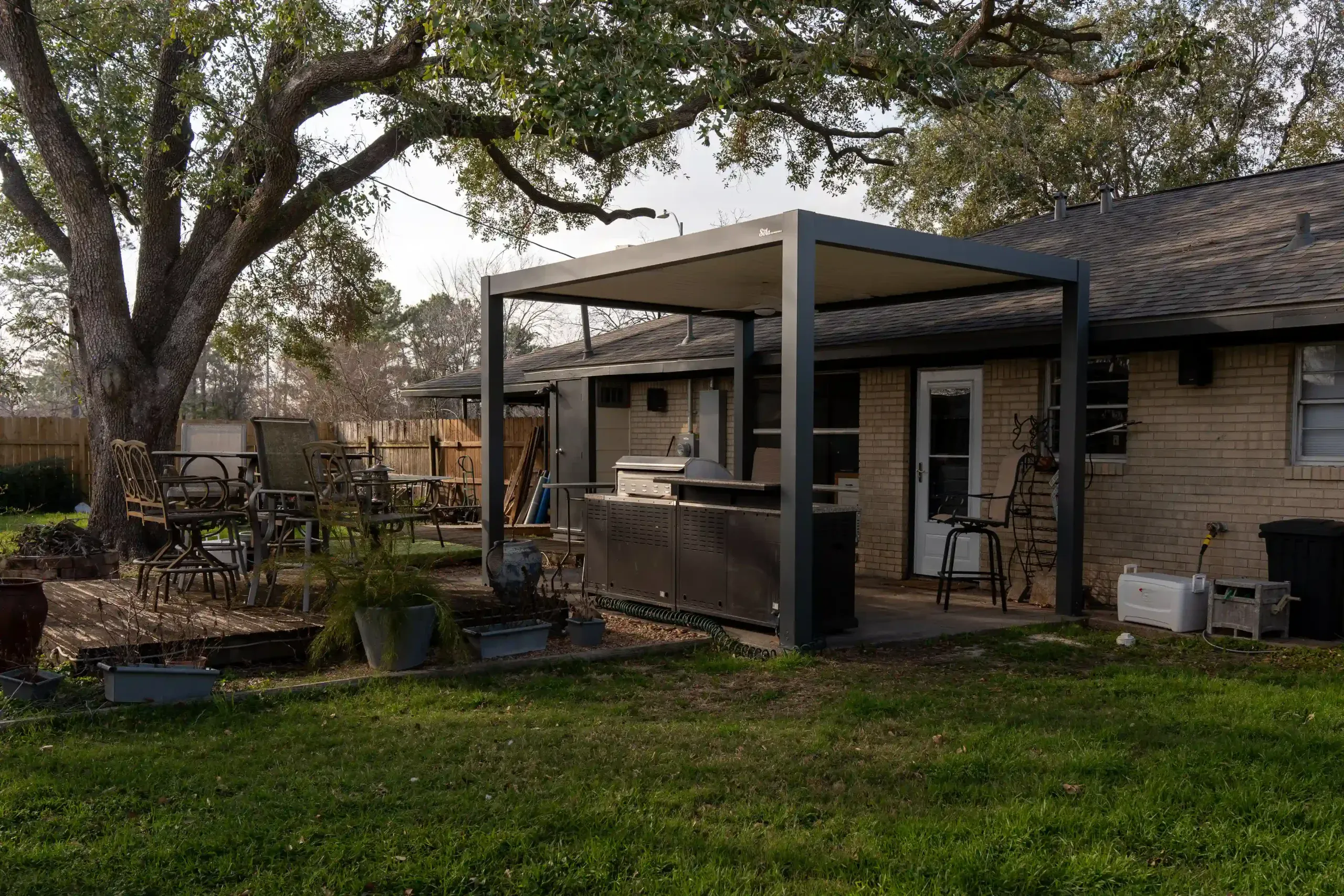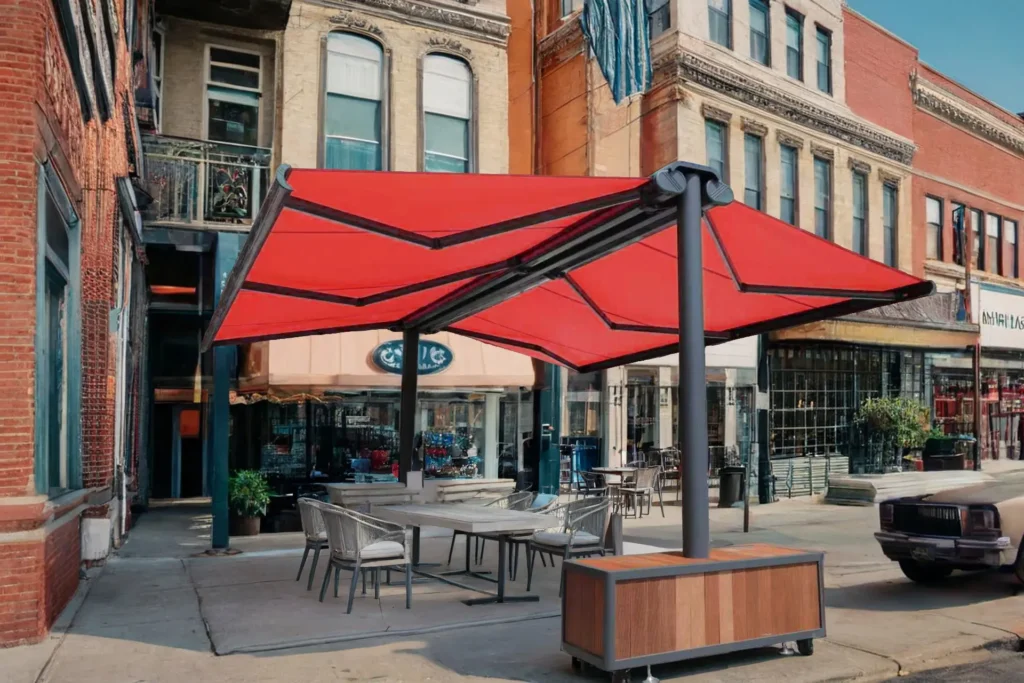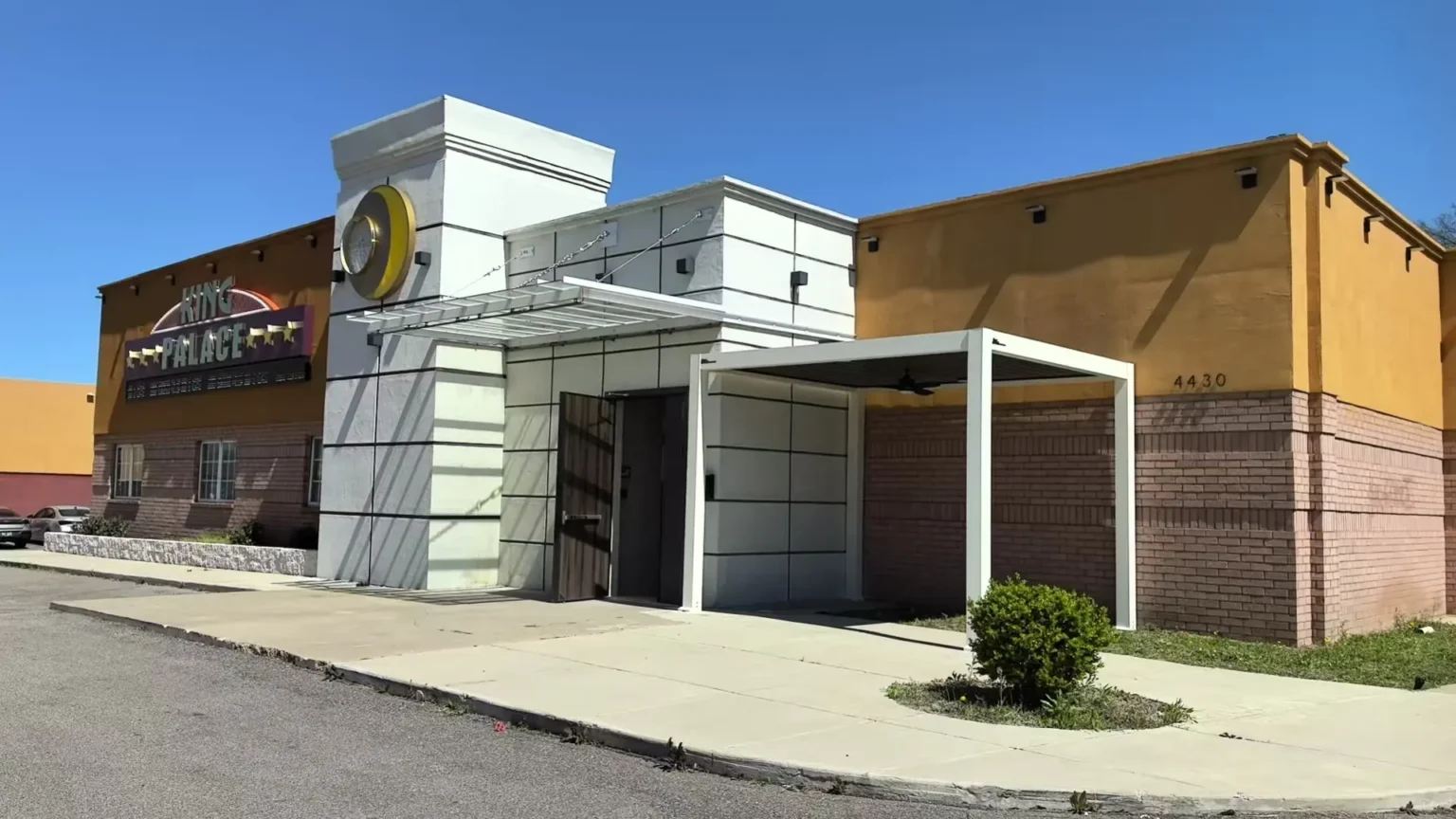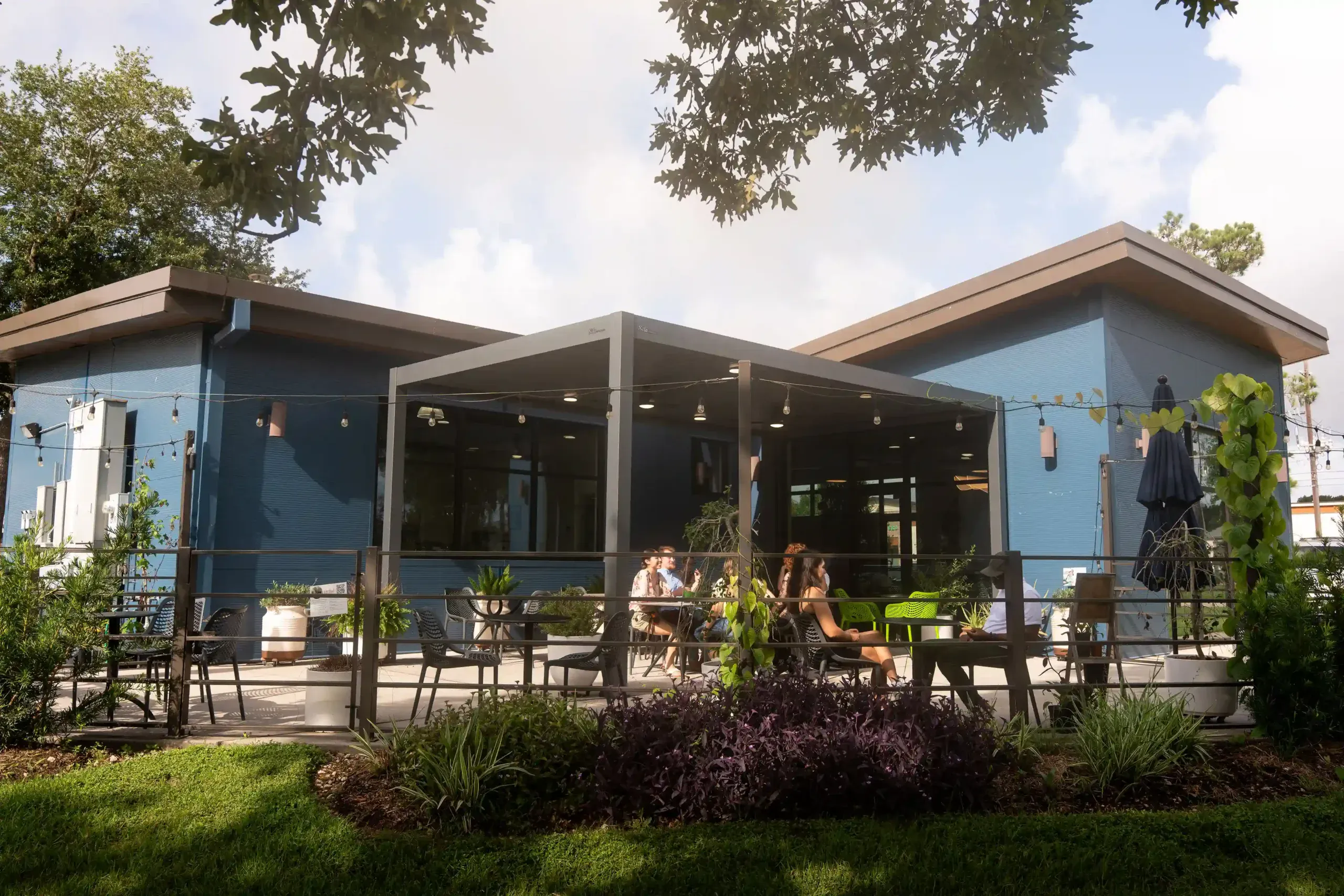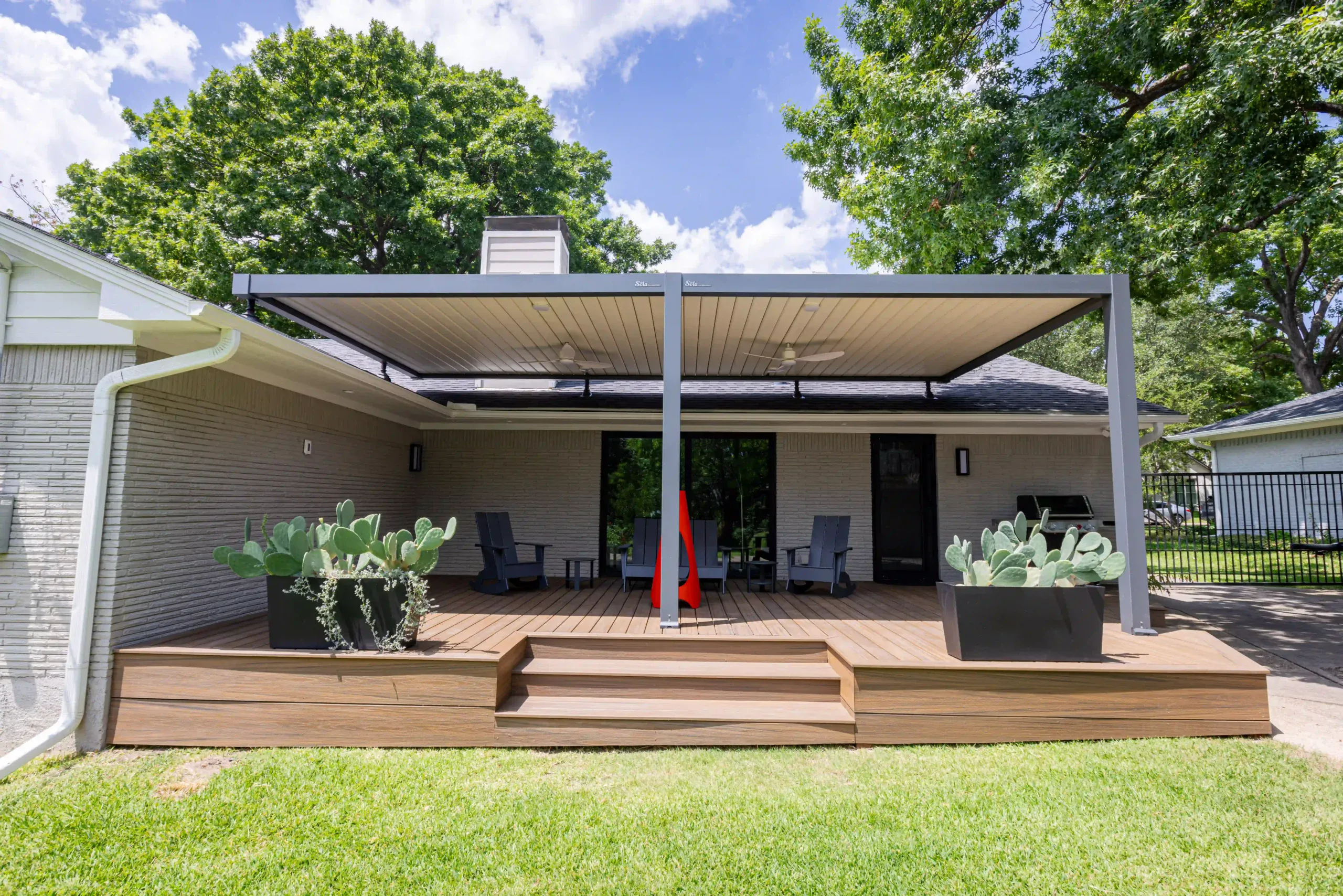
Aluminium pergolas have become the standard for outdoor living in tropical and coastal climates. Unlike timber structures that warp in humidity or fabric awnings that tear in high winds, a well-engineered aluminium pergola offers 25+ years of service with minimal maintenance. But before specifying a system, the first question most architects, developers, and homeowners ask is: how much will it cost?
This guide provides a transparent breakdown of aluminium pergola pricing in 2026. It is based on Atlas Building Technology's project experience across Singapore, Bangkok, and coastal Southeast Asia — where pergolas must withstand intense sun, heavy monsoon rain, and wind speeds up to 193 km/h (120 mph).
2026 cost ranges at a glance
Pergola costs are driven primarily by dimensions, roof type, and mounting configuration. The following ranges represent typical installed projects using Atlas AT Louvre and AT Retractable systems.
| Project Size | Typical Dimensions | Price Range (USD) |
|---|---|---|
| Compact terrace / balcony | 3m × 3m (wall-mounted) | $2,000 – $6,000 |
| Medium garden / poolside | 4m × 5m to 5m × 6m | $6,000 – $12,000 |
| Large freestanding pavilion | 6m × 7m or larger | $12,000 – $25,000+ |
These figures include the aluminium structure, motorised roof system, and standard powder-coat finish. They do not include foundation work, electrical wiring, or premium options such as KNX smart-home integration and custom side screens.
Louvered vs retractable: which costs more?
The choice between a louvered pergola and a retractable roof pergola affects both functionality and budget.
Louvered pergolas (AT Louvre) typically sit at the mid-to-upper end of the price spectrum. Each blade is an individual motorised component that rotates 0–120°, and the system includes rain sensors, integrated drainage, and LED channels. The mechanical complexity is higher, but so is the year-round usability — especially in tropical climates where sun and rain can alternate within the same afternoon.
Retractable roof pergolas (AT Retractable) can sometimes be more cost-effective for very large spans, because the roof panels slide along a shared track rather than rotating individually. However, the motorised retraction mechanism and the precision-engineered rails still represent a significant portion of the total cost. For comparable dimensions, expect the two systems to fall within a similar price band — with louvered systems typically 10–20% higher due to blade motorisation.
The six factors that drive pergola pricing
1. Span and projection
The larger the footprint, the more aluminium, glass, and structural reinforcement is required. A 3m × 3m lean-to requires a fraction of the material of a 6m × 7m freestanding pavilion. Very large spans may also require internal columns or hidden steel reinforcement — both of which add cost.
2. Roof type and complexity
Louvered roofs with individually rotating blades demand more components per square metre than fixed or retractable roofs. A retractable roof, by contrast, requires precision-engineered tracks and sealed drainage — engineering that is invisible but essential. The roof type alone can shift the price by 15–25%.
3. Mounting configuration
Wall-mounted (lean-to): The simplest and most cost-effective configuration. One side of the pergola is anchored directly to the building facade, reducing the need for columns and bracing.
Freestanding: Requires four or more structural columns and foundation anchoring. This adds material, engineering, and installation labour — typically increasing the total cost by 20–35% compared to an equivalent wall-mounted system.
4. Materials and finish
Atlas pergolas are extruded from 6063-T5 aluminium alloy, chosen for its strength and corrosion resistance in coastal air. Standard finishes include durable powder coating in a range of RAL colours. Premium anodised finishes — which provide superior salt-spray resistance for marine environments — command a modest price premium.
5. Automation and smart features
Standard motorisation is included in most Atlas pergola systems. Optional upgrades include:
- Rain and sun sensors: Automatically close blades or retract the roof based on weather conditions.
- LED lighting integration: Recessed strips within the frame for evening ambience.
- Side screens and glass walls: Transform an open pergola into a fully enclosed outdoor room.
- KNX / smart-home integration: Connect the pergola to building management systems for centralised climate control.
Each of these features adds value and functionality. A fully equipped large pavilion with all options can reach the upper end of the pricing spectrum.
6. Installation and site conditions
Installation labour varies by location and site access. Rooftop terraces in dense urban areas may require crane access. Remote coastal villas may involve higher logistics costs. Ground conditions also matter: rocky or sandy soils require different foundation solutions than concrete slabs.
Aluminium vs timber vs fabric: the lifetime cost
It is tempting to compare the upfront cost of an aluminium pergola against timber or fabric alternatives. But the true cost of ownership tells a different story.
| Material | Upfront Cost | Lifespan (Tropics) | Maintenance |
|---|---|---|---|
| Aluminium (Atlas) | Medium-High | 25+ years | Minimal |
| Timber | Medium | 8–12 years | High (annual sealing/repainting) |
| Fabric awning | Low | 3–5 years | Replacement every few years |
Over a 20-year period, aluminium is almost always the most cost-effective choice because it eliminates the repeated replacement and maintenance costs of cheaper alternatives.
How to get an accurate quotation
Because every project is bespoke, the most reliable way to establish a budget is to provide your supplier with the following information:
- Exact dimensions (span × projection)
- Mounting type (wall-mounted lean-to or freestanding)
- Roof preference (louvered or retractable)
- Site location and access conditions
- Required features (LED, sensors, side screens, smart-home integration)
- Finish and colour specification
Atlas provides tailored quotations based on project drawings and site photographs. For complex installations, we also offer technical consultations to ensure structural and drainage requirements are met before manufacture begins.
Final thoughts
In 2026, a high-quality aluminium pergola represents a significant but justified investment in outdoor living. For a medium-sized terrace or garden installation, expect to budget between $6,000 and $12,000. For large, feature-rich pavilions, costs can exceed $25,000.
The key is to evaluate lifetime value, not just the initial invoice. An Atlas aluminium pergola will outlast timber by two decades and fabric by five — all while delivering precise climate control, storm resistance, and remote-controlled operation.
If you are planning a project and would like a detailed quotation, contact the Atlas team with your dimensions and requirements.