Walk through any garden centre and you will see both pergolas and trellises marketed as outdoor shade solutions. But despite their similar aesthetic appeal, these two structures serve fundamentally different purposes — and choosing the wrong one can lead to disappointment, extra maintenance, and a structure that fails to deliver the comfort you expected.
This guide explains the key differences between pergolas and trellises, helps you decide which is right for your space, and shows why a modern motorised aluminium pergola is increasingly the preferred choice for tropical and coastal homes.
What is a trellis?
A trellis is a lightweight lattice framework, usually made from timber or metal, designed primarily to support climbing plants. It can be freestanding or wall-mounted, and its main function is horticultural: to train vines, roses, or ivy into a vertical green screen.
Trellises offer charm and natural beauty. Over time, a well-planted trellis can become a living wall that provides dappled shade and privacy. But that beauty comes with obligations. Trellises require constant upkeep — pruning, pest control, watering, and periodic replacement of the timber frame as it rots or warps in humid conditions.
In tropical climates, the challenges are magnified. High humidity accelerates timber decay. Intense sun can scorch delicate plants. And during monsoon season, a trellis provides almost no protection from wind-driven rain.
What is a pergola?
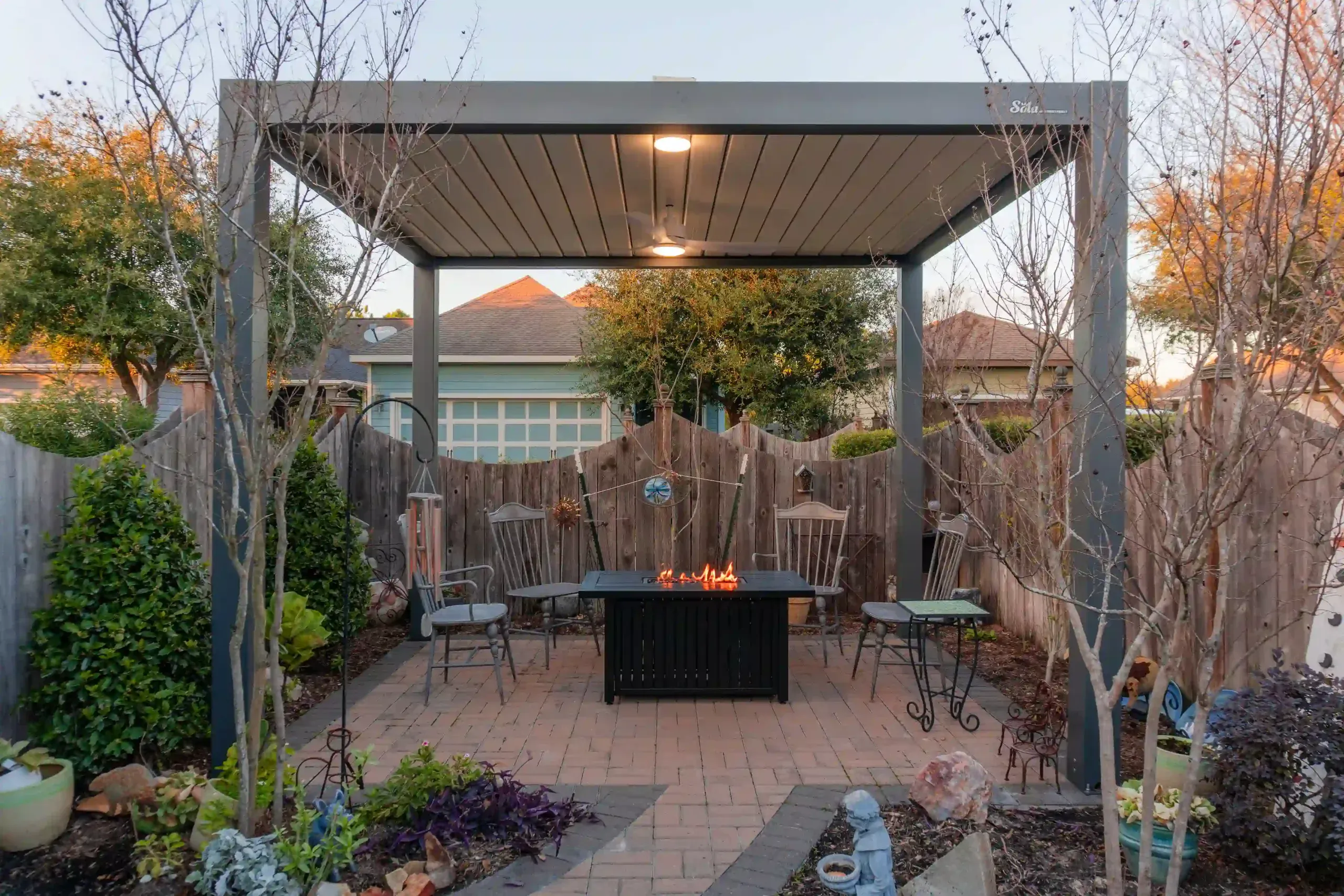
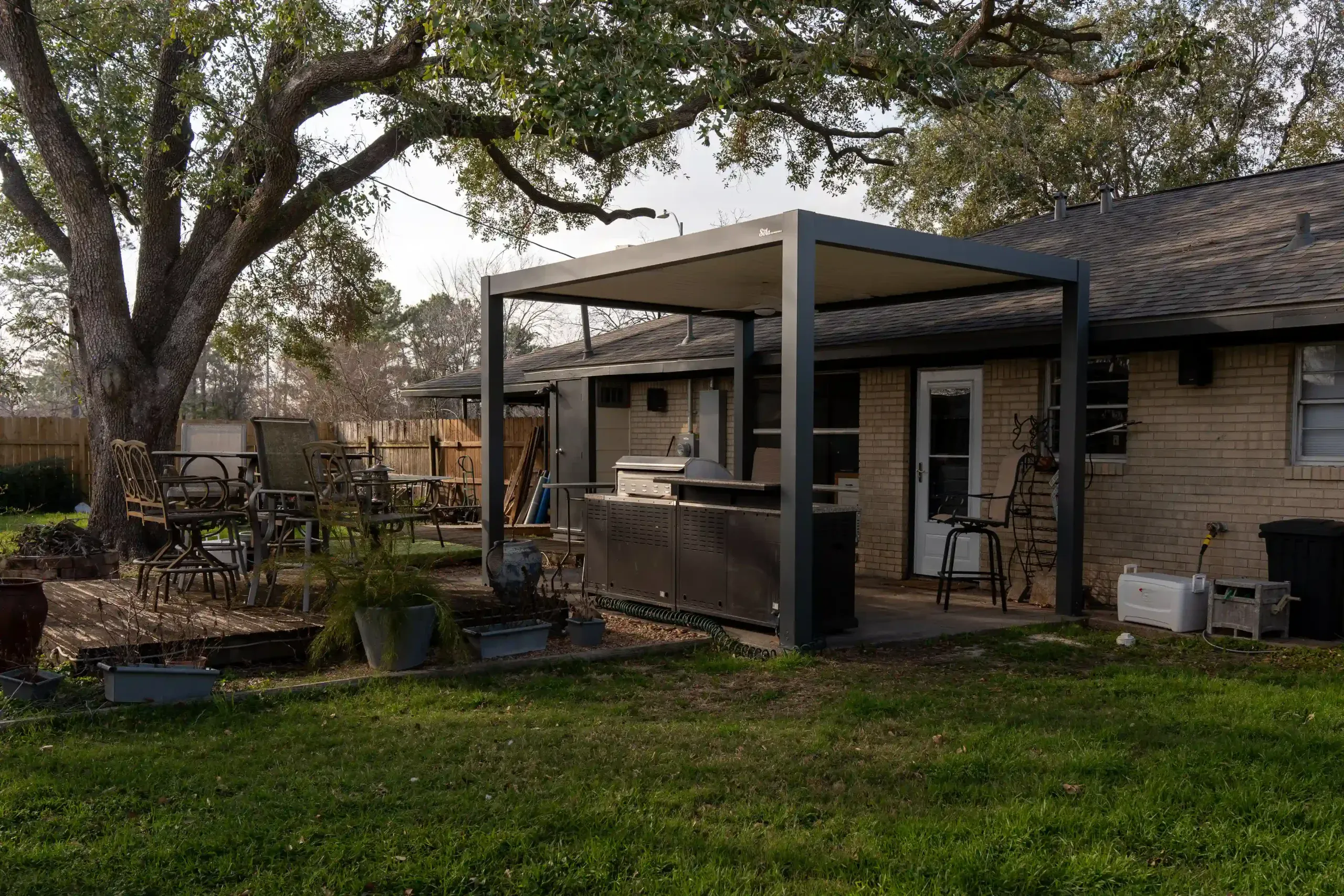
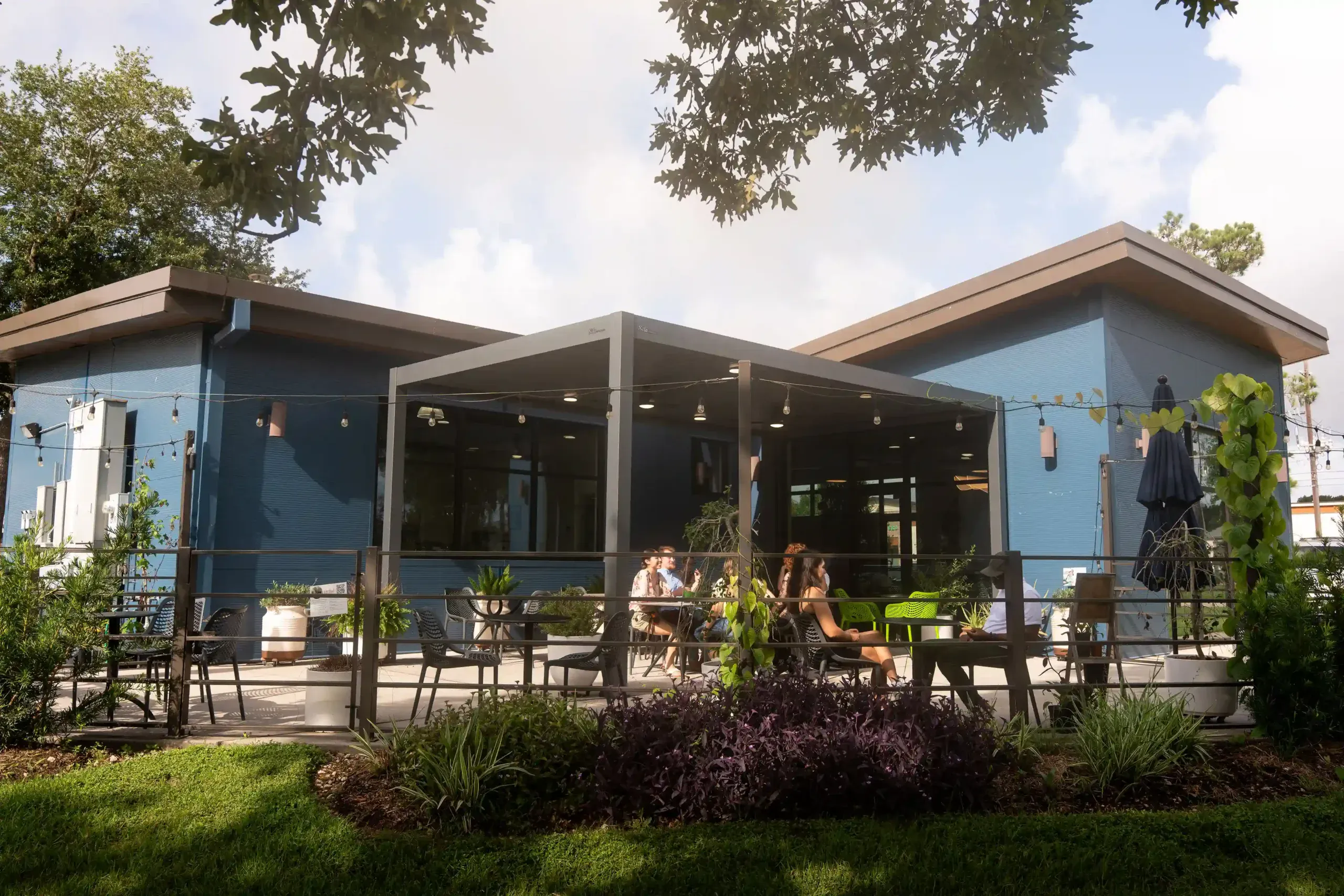
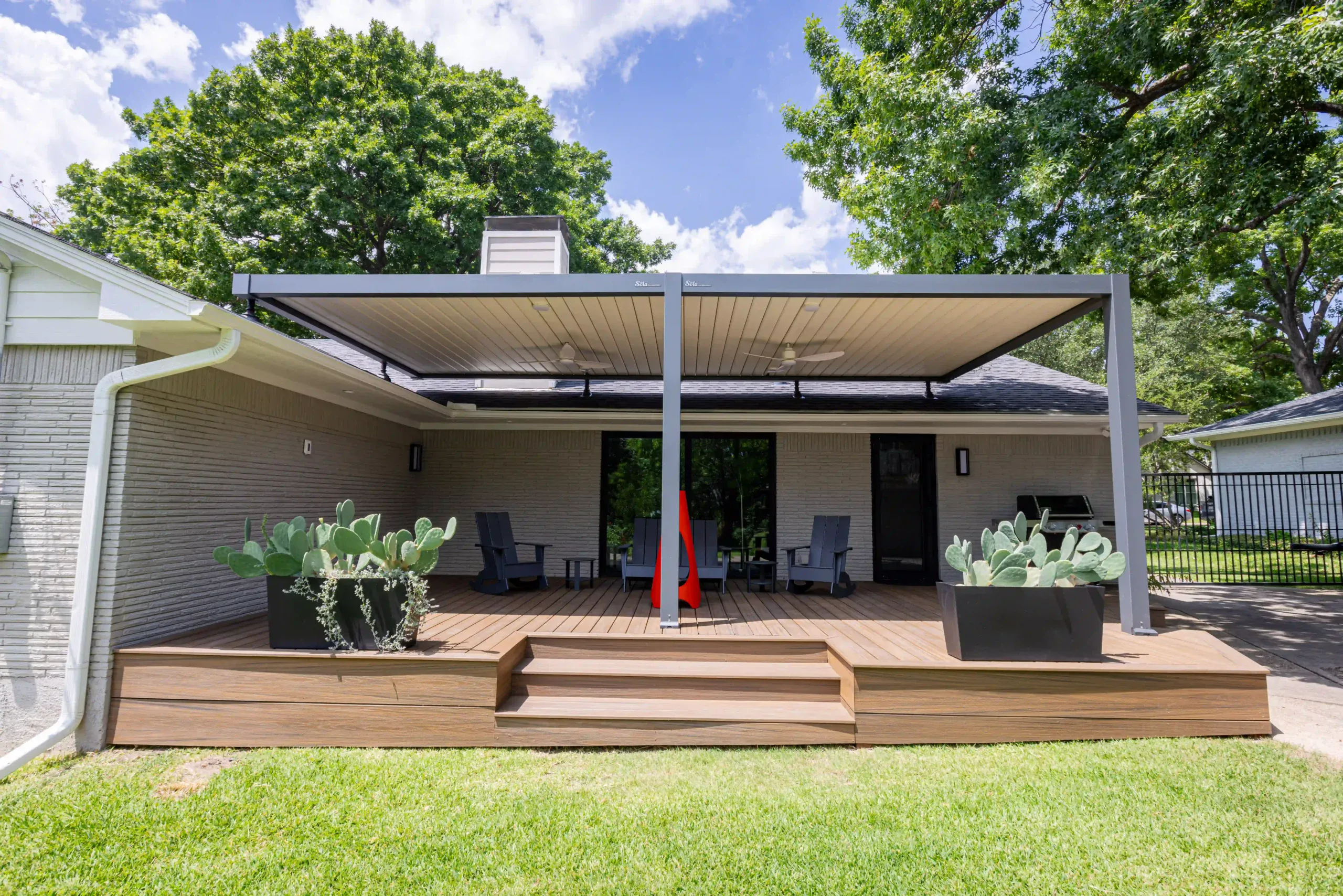
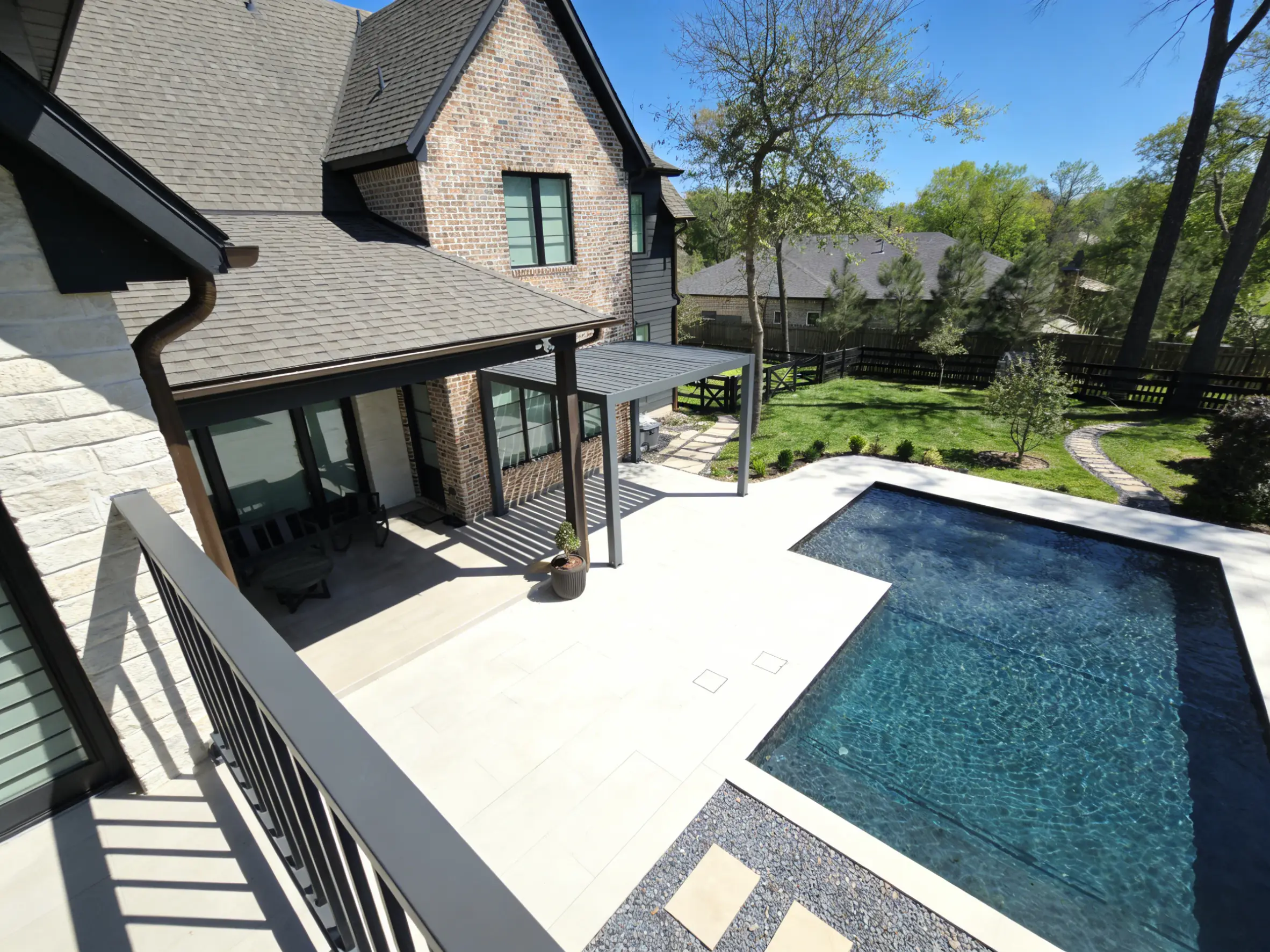
A pergola is a substantial outdoor structure with a roof supported by columns or posts. Unlike a trellis, a pergola is engineered for human occupancy. It creates a defined outdoor room — a space for dining, lounging, or entertaining that is sheltered from sun and rain.
Traditional pergolas had fixed slatted roofs that provided partial shade but no weather adaptability. Modern aluminium pergolas — like the Atlas AT Louvre — have transformed the category. Motorised blades rotate from 0° to 120°, integrated drainage channels handle heavy rain, and solar-powered options eliminate the need for external wiring.
Pergola vs trellis: head-to-head comparison
| Criteria | Pergola | Trellis |
|---|---|---|
| Primary function | Shade structure / outdoor room | Plant support / garden feature |
| Weather protection | Excellent (adjustable roof + drainage) | Minimal (plant-dependent) |
| Maintenance | Low (aluminium) | High (pruning, pest control, timber care) |
| Lifespan (tropics) | 25+ years | 5–10 years (timber frame) |
| Usable floor area | Creates a defined outdoor room | No usable sheltered space |
| Best for | Terraces, poolside, outdoor dining | Garden borders, green screens |
When a trellis makes sense
Despite its limitations, a trellis is still the right choice in specific scenarios:
- Vertical gardens: When the primary goal is to grow climbing plants against a wall or fence.
- Decorative screening: In sheltered courtyards where the visual effect of greenery matters more than weather protection.
- Temporary or seasonal use: For events, weddings, or garden parties where a lightweight structure is sufficient.
- Budget constraints: A simple timber trellis is cheaper upfront than an engineered pergola — though the lifetime cost is often higher due to replacement and maintenance.
When a pergola is the better investment
If you intend to use your outdoor space regularly — for morning coffee, evening dining, or weekend entertaining — a pergola is the only structure that delivers genuine comfort and protection.
Modern aluminium pergolas solve the classic trade-offs that once limited the category:
- Adjustable shade: Motorised louvers rotate to follow the sun, providing full shade at midday and open sky in the evening.
- Rain protection: Closed louvers form a watertight roof with integrated drainage — something no trellis can offer.
- Wind resistance: Engineered aluminium frames withstand wind speeds up to 193 km/h (120 mph).
- Low maintenance: Powder-coated aluminium requires no painting, sealing, or pest treatment.
- Optional enclosures: Side screens, glass walls, and sliding doors can transform an open pergola into a fully enclosed outdoor room.
Can you combine both?
Yes — and some of the most successful garden designs do exactly that. A pergola creates the primary sheltered living space, while trellises mounted on perimeter walls or fences add greenery and soft visual boundaries. The pergola provides the architecture; the trellis provides the planting framework.
This combination works particularly well in tropical gardens, where the pergola offers protection from sun and rain, and the trellis supports fast-growing climbers like bougainvillea or jasmine that thrive in the heat.
Final recommendation
Choose a trellis when your goal is to support climbing plants and create a decorative green feature in a sheltered garden area. Choose a pergola when you need a usable outdoor room with reliable shade, rain protection, and minimal maintenance.
For tropical and coastal homes, an aluminium pergola is almost always the smarter long-term investment. It outlasts timber by decades, requires a fraction of the maintenance, and delivers the climate control that makes outdoor living truly enjoyable.
If you are planning a terrace, garden, or poolside project and would like technical drawings and a quotation, contact the Atlas team with your dimensions and requirements.