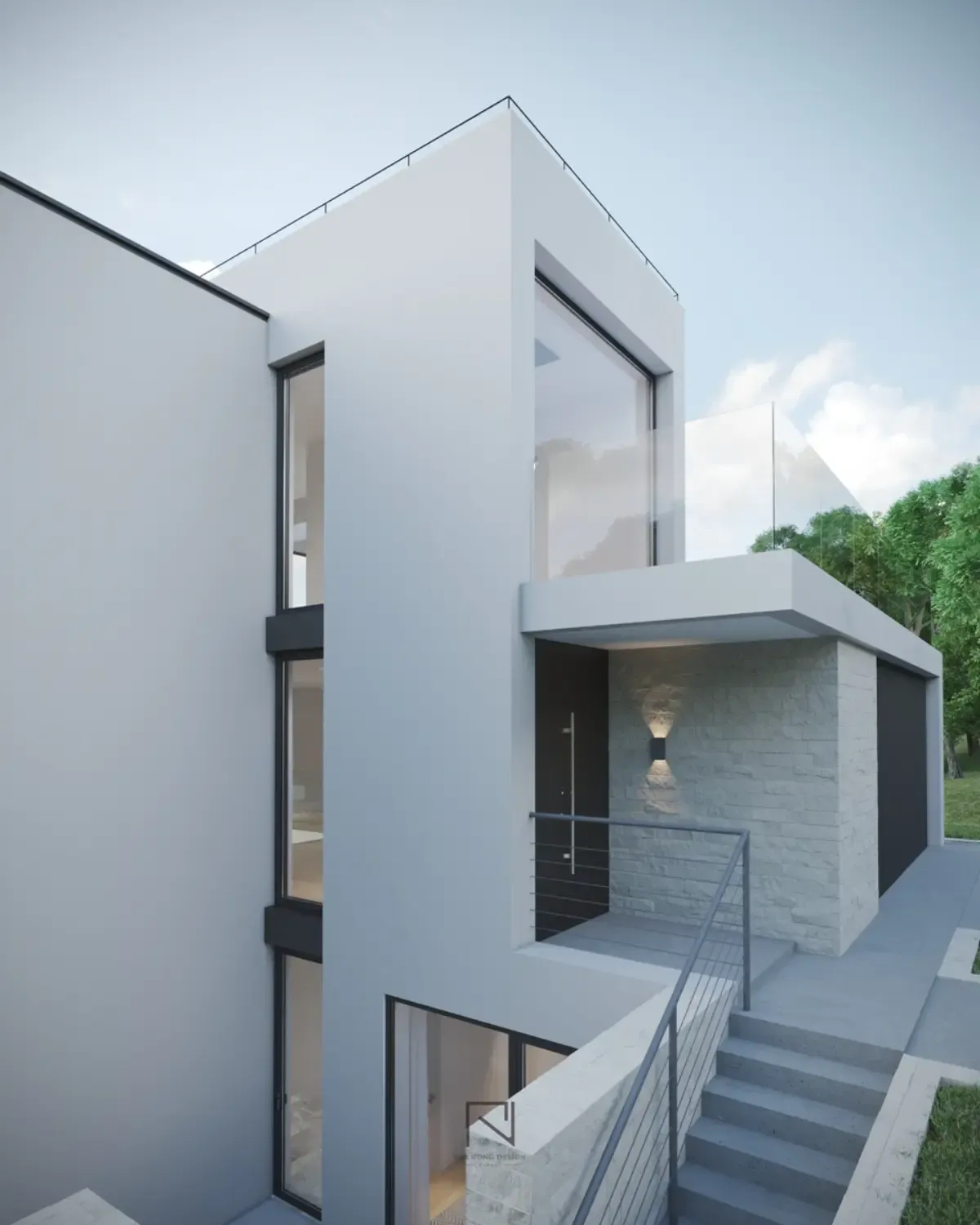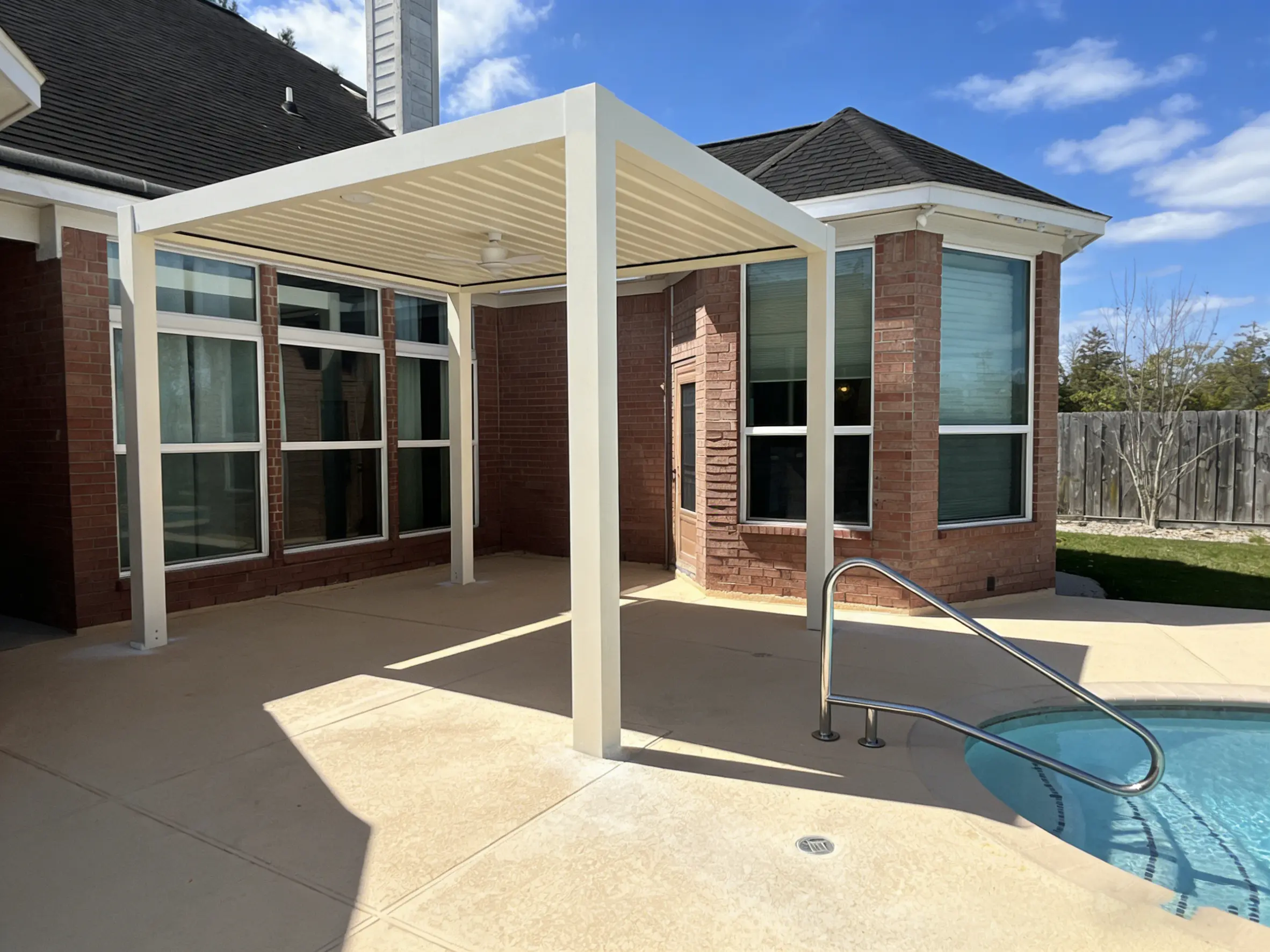
The terms "solar pergola" and "solar roof" are often used interchangeably, but they refer to entirely different technologies. One is an outdoor living structure with integrated solar panels that power its own features. The other is a whole-home photovoltaic system designed to offset your household electricity consumption.
Understanding this distinction is critical before making any investment. This guide explains how each system works, what it can realistically power, and which solution — or combination — is right for your property.
What is a solar pergola?
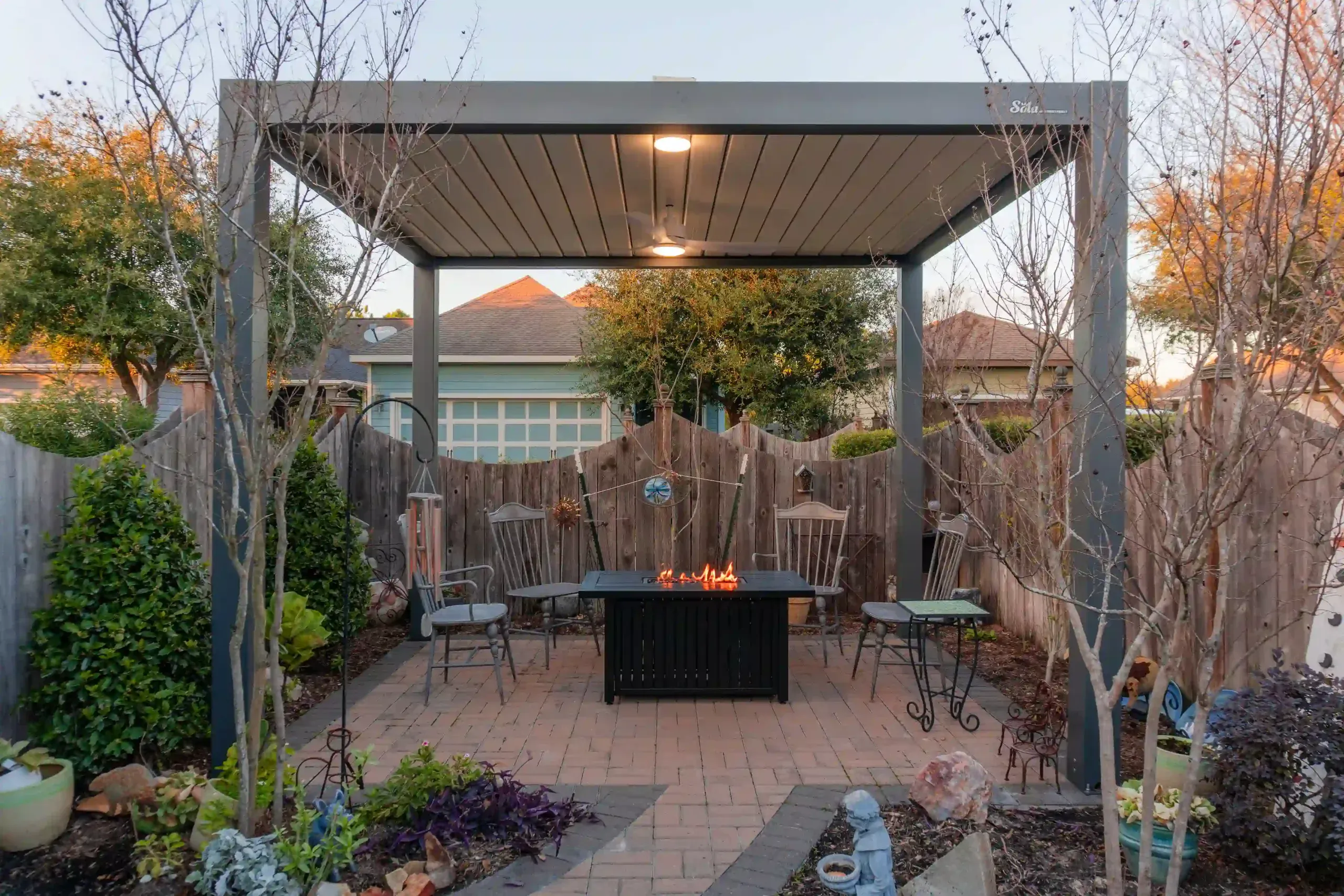
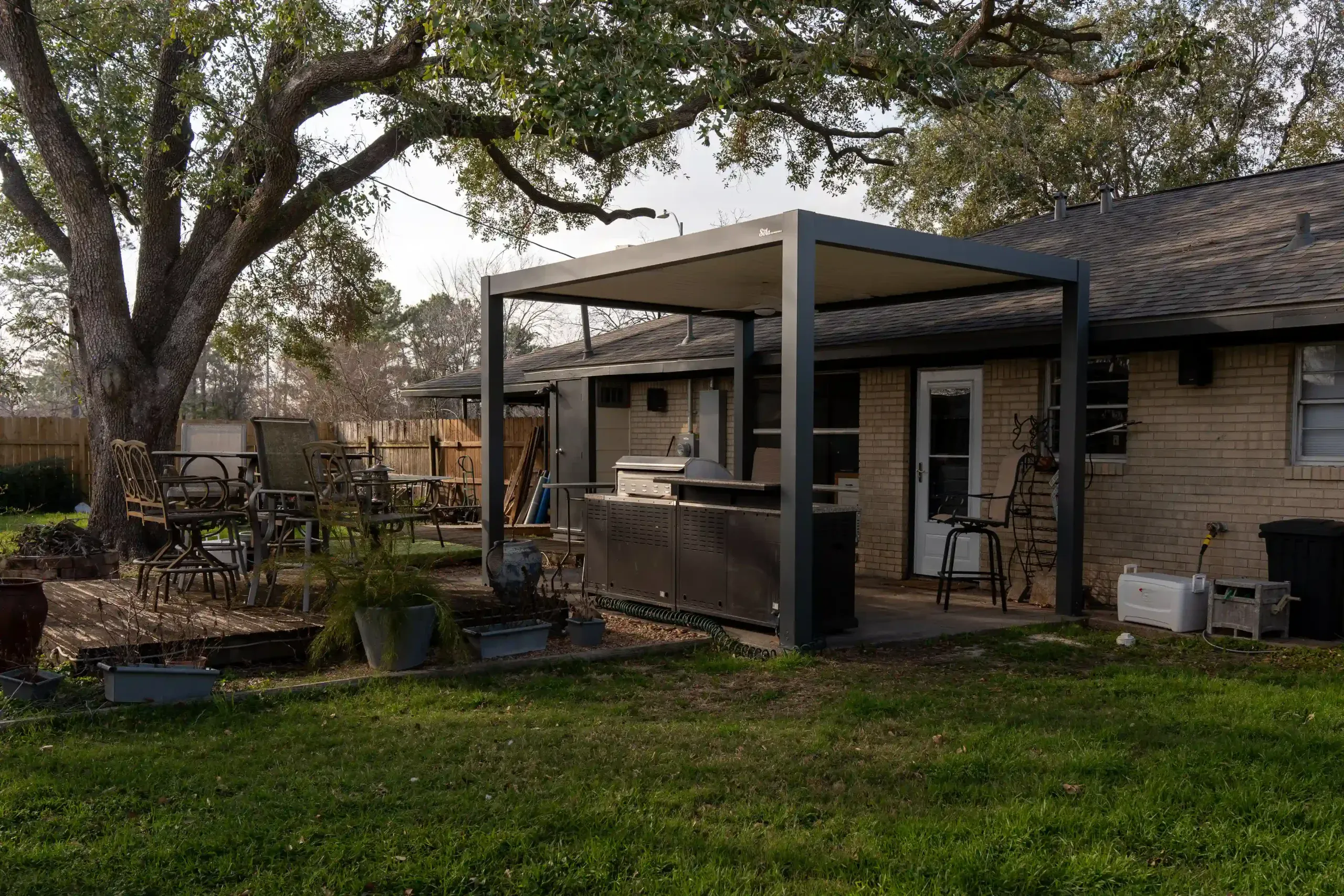
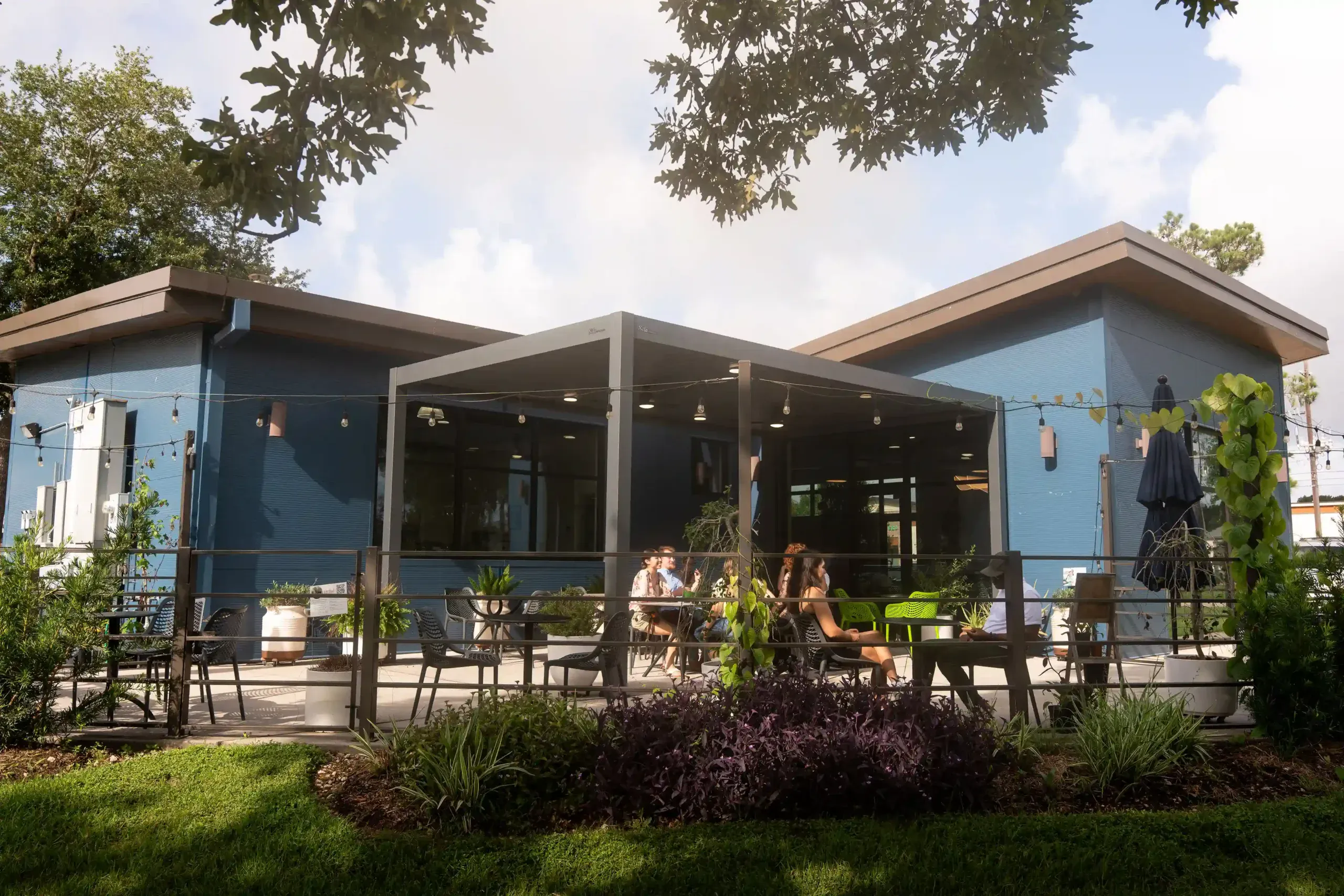
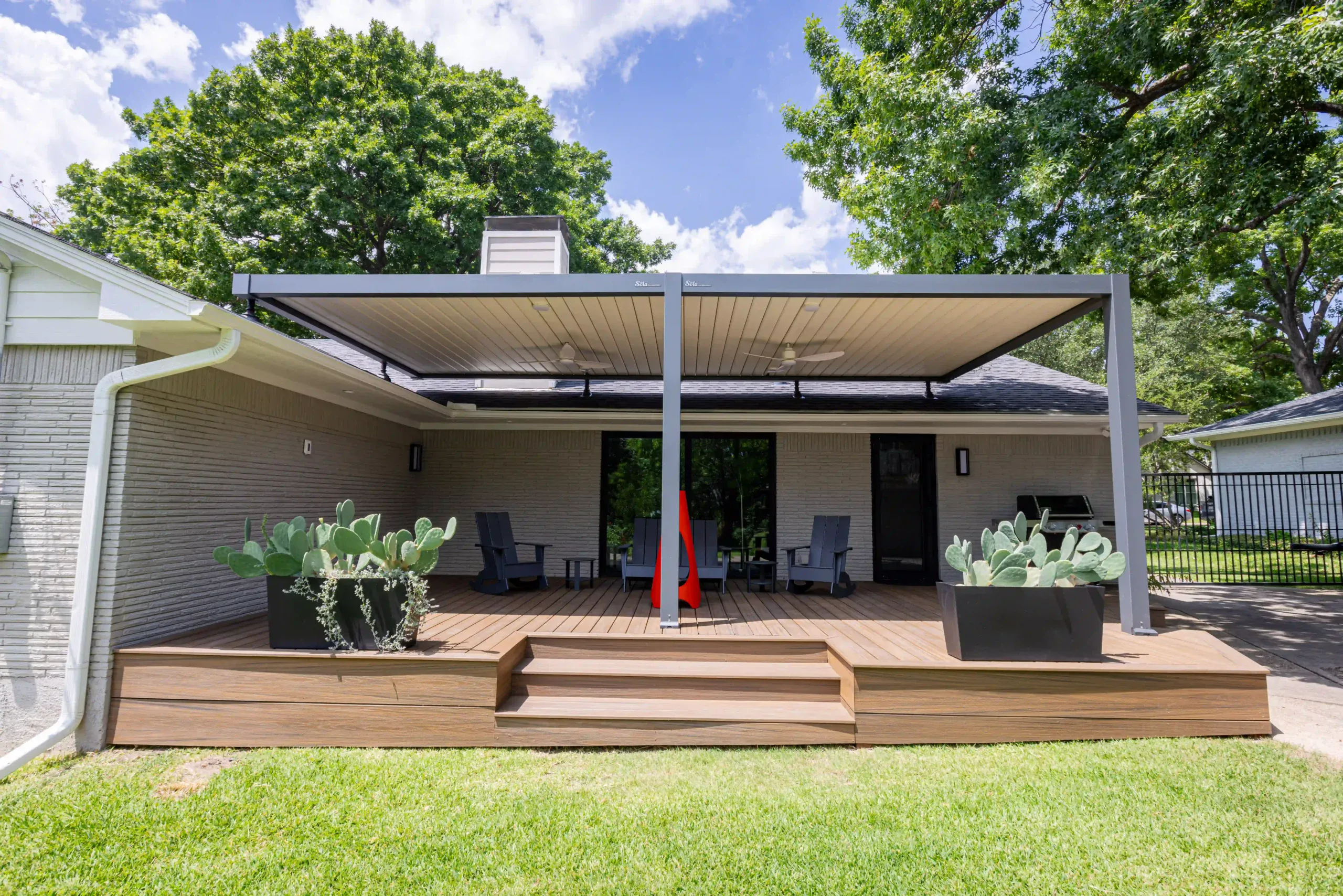
A solar pergola is an outdoor shade structure — typically aluminium — with small solar panels integrated into the roof. These panels generate electricity, but only enough to power the pergola's own operational features.
On an Atlas AT Louvre solar pergola, the generated electricity is used for:
- Motorised louver movement
- Built-in LED strip lighting
- Integrated ceiling fans
- Roller shade or screen motors
The solar panel charges an internal battery, which typically provides 7–8 hours of continuous operation after a full charge. In normal tropical conditions, the battery recharges in approximately 2–3 days of sunlight exposure. This eliminates the need for external wiring, making installation faster and more flexible — especially for retrofit projects.
| Feature | Solar Pergola Capability |
|---|---|
| Own LED lights | Yes |
| Louver / screen motors | Yes |
| Ceiling fans | Yes |
| Home appliances | No |
| EV charging | No |
| Whole-home power offset | No |
What is a solar roof?
A solar roof is a comprehensive residential photovoltaic system — either traditional roof-mounted panels or integrated solar tiles like Tesla Solar Roof. These systems are designed to generate 5–15 kW or more, which is enough to significantly offset, or in some cases fully cover, a household's electricity usage.
Solar roofs feed electricity into your home's main power supply or into the grid. They can power air conditioning, water heaters, kitchen appliances, lighting, and — with sufficient capacity — electric vehicle charging.
The installation is more complex, requiring structural assessment, electrical integration with your home's distribution board, and often grid connection approval from your utility provider.
Head-to-head comparison
| Criteria | Solar Pergola | Solar Roof |
|---|---|---|
| Primary purpose | Outdoor shade + self-powered features | Whole-home electricity generation |
| Typical power output | Small (powers pergola features only) | 5–15+ kW |
| Installation complexity | Low (no grid connection needed) | High (electrical + structural + grid approval) |
| Structural impact | Minimal (freestanding or wall-mounted) | Significant (roof load assessment required) |
| Can power home appliances? | No | Yes |
| Best for | Terraces, gardens, poolside living | Whole-home energy independence |
Common misconceptions
"A solar pergola can power my home"
No — it cannot. The solar panels on a pergola are sized only to meet the low energy demands of LED lights, small motors, and fans. They are not a substitute for a residential photovoltaic system.
"A solar pergola is the same as a solar carport"
Solar carports are engineered to generate significantly more electricity — often enough for EV charging. A solar pergola produces far less energy and is designed for outdoor comfort, not high-demand power systems.
"I should choose one or the other"
In reality, many homeowners benefit from both. A solar roof reduces your household energy bills, while a solar pergola enhances your outdoor living space with self-sufficient motorisation and lighting. They complement each other rather than compete.
Which should you choose?
Use this simple decision framework:
- Choose a solar pergola if you want a shaded outdoor living area with motorised louvers, LED lighting, and fans — all without running electrical cables from your house.
- Choose a solar roof if your goal is to reduce your home's overall electricity consumption or achieve energy independence.
- Choose both if you want whole-home energy savings and a premium outdoor living space that operates independently.
How Atlas solar pergolas work
The Atlas AT Louvre solar option integrates discreet photovoltaic panels into the top of the pergola structure. The system charges automatically during daylight hours and stores energy in an internal battery pack.
Because the power demand of the louvers, lights, and fans is very low, even modest solar exposure is sufficient to keep the system operational. There is no need for trenching cables, no dependency on grid power, and no electricity bill for the pergola's features.
This makes the solar pergola particularly attractive for:
- Poolside installations where running mains power is difficult
- Retrofit projects where homeowners want minimal disruption
- Coastal and tropical homes where outdoor living is a year-round priority
Final thoughts
A solar pergola offers comfort and self-sufficiency for your outdoor space. A solar roof offers whole-home energy generation. They are different solutions for different needs — and the best properties often include both.
If you are considering a solar pergola for your terrace, garden, or poolside, contact Atlas for technical specifications, sizing guidance, and a project quotation.