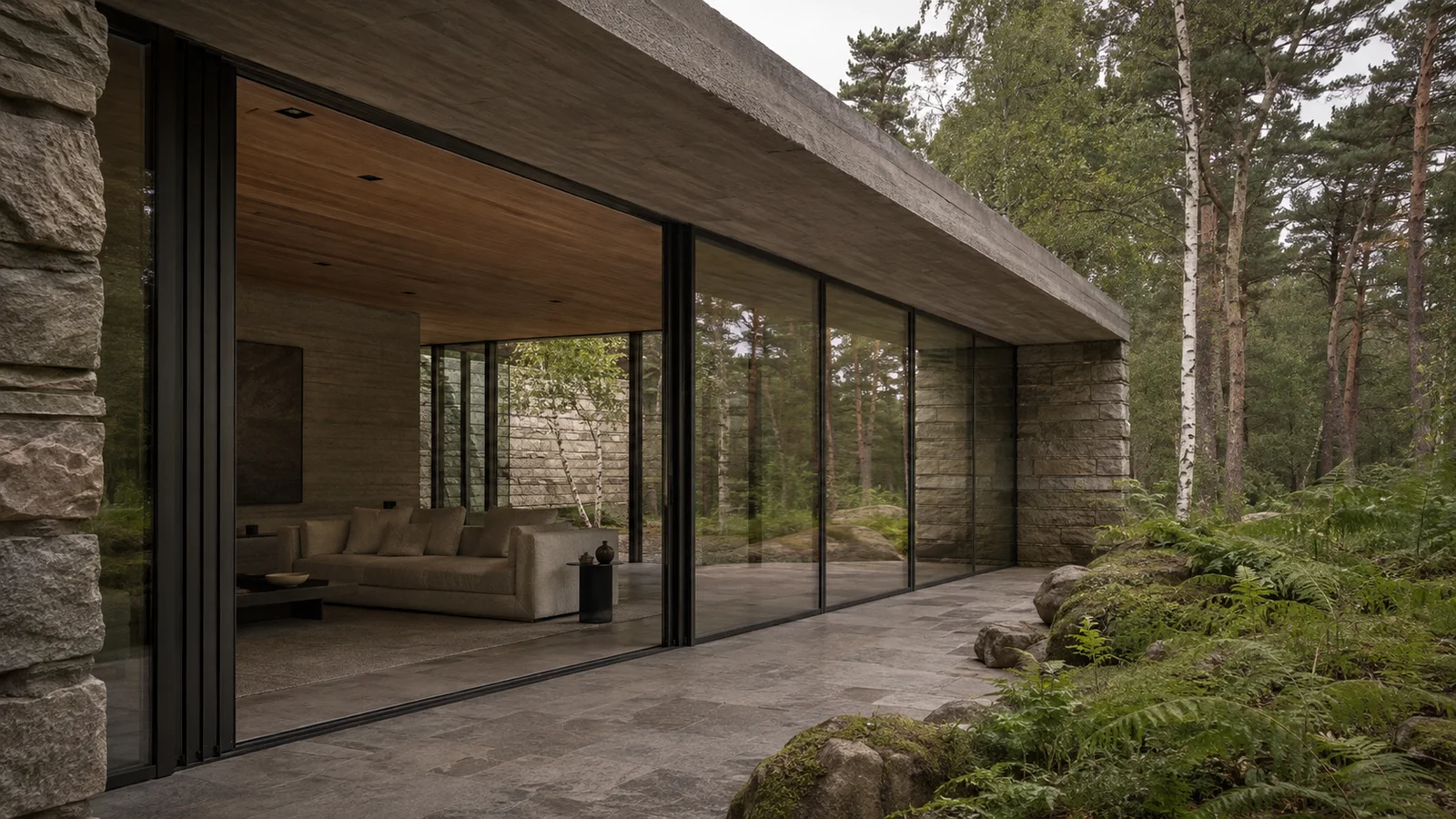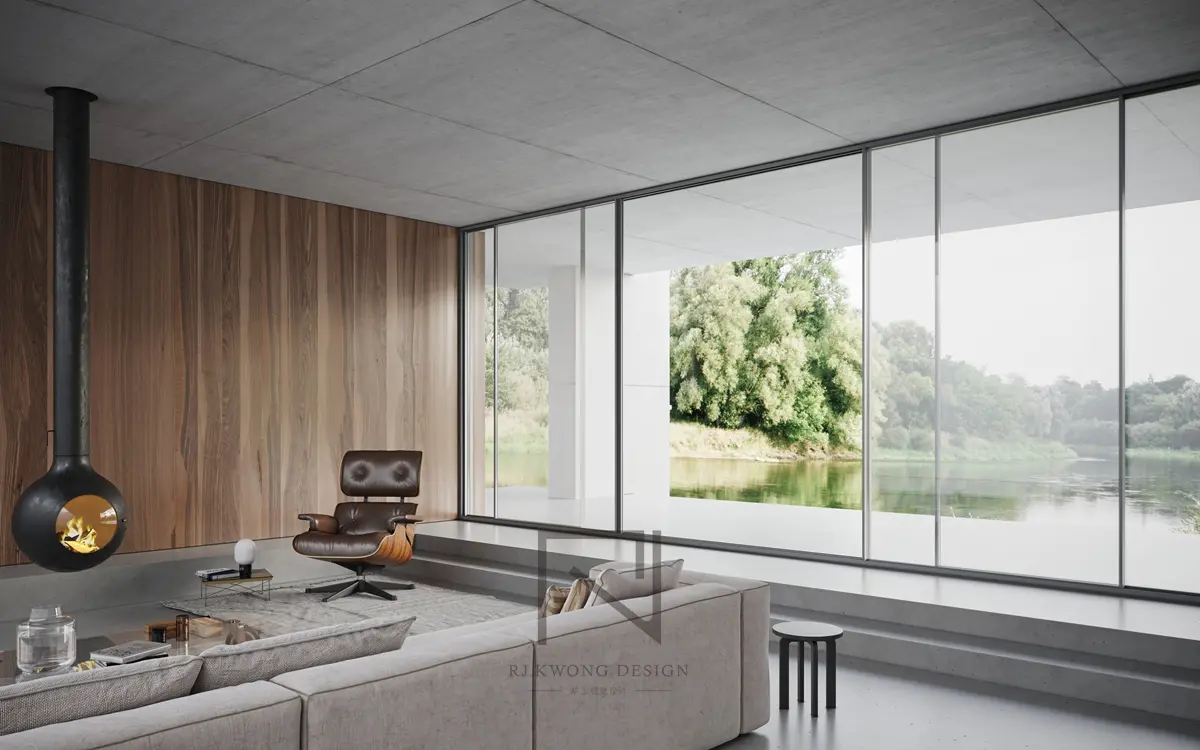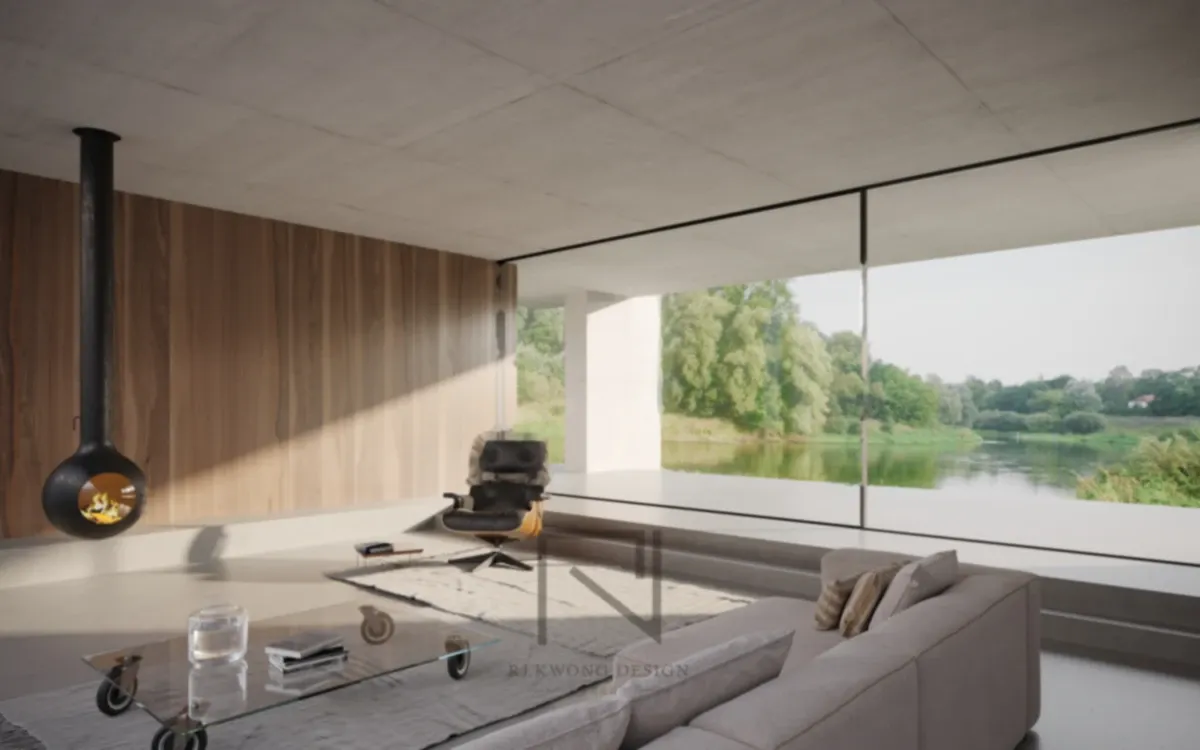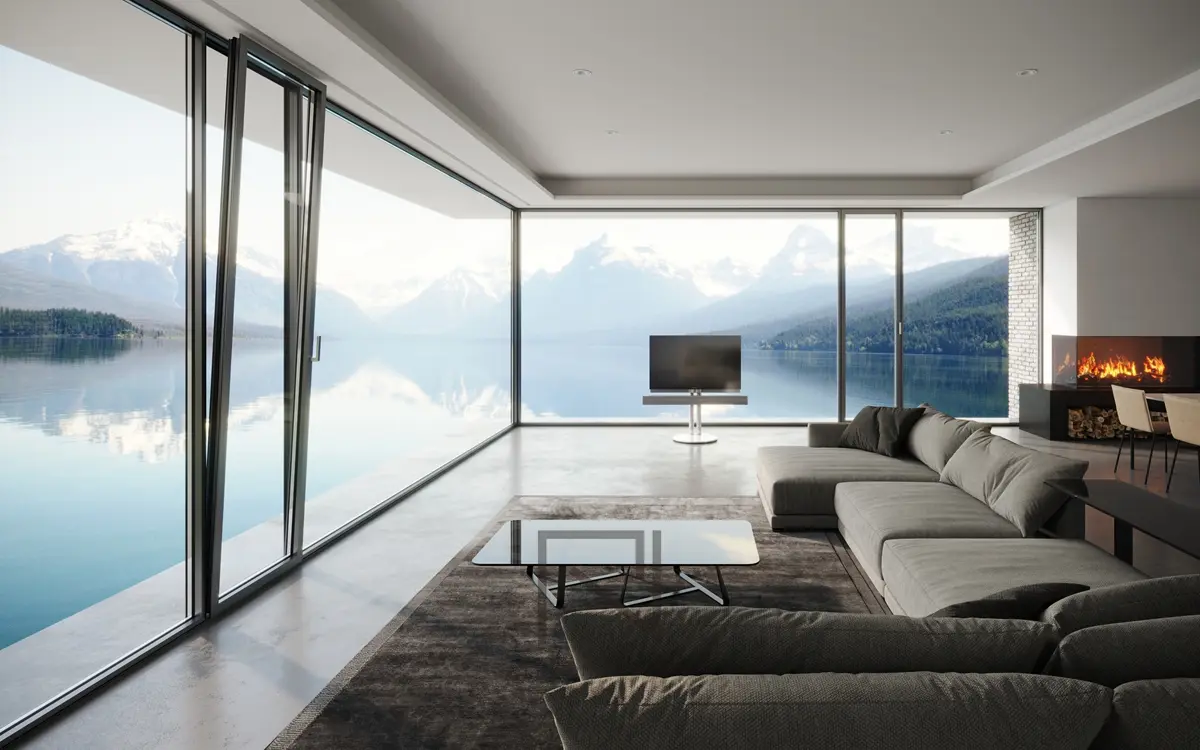


The cost of ultra-slim aluminium sliding doors is shaped by the complete project brief, not by one frame label or a generic rate. Opening configuration, glass, hardware, finish, interfaces, site conditions, and requested supply scope all affect what must be reviewed before a quotation can be prepared.
This guide explains those decisions without publishing a price range that may not match the design. It is intended to help architects, developers, homeowners, and prospective partners prepare the information needed for a project-specific quotation.
Why generic sliding door price ranges are unreliable
Two openings with similar overall dimensions can require different panel arrangements, glass, hardware, finishes, and architectural interfaces. A short online price cannot show whether the proposed configuration matches the drawings, how fixed and operable areas relate, or what has been included in the requested scope.
A useful quotation therefore starts with the opening and its intended use. The aim is not to find the lowest isolated number, but to compare a clearly defined system and scope.
1. Opening dimensions and panel configuration
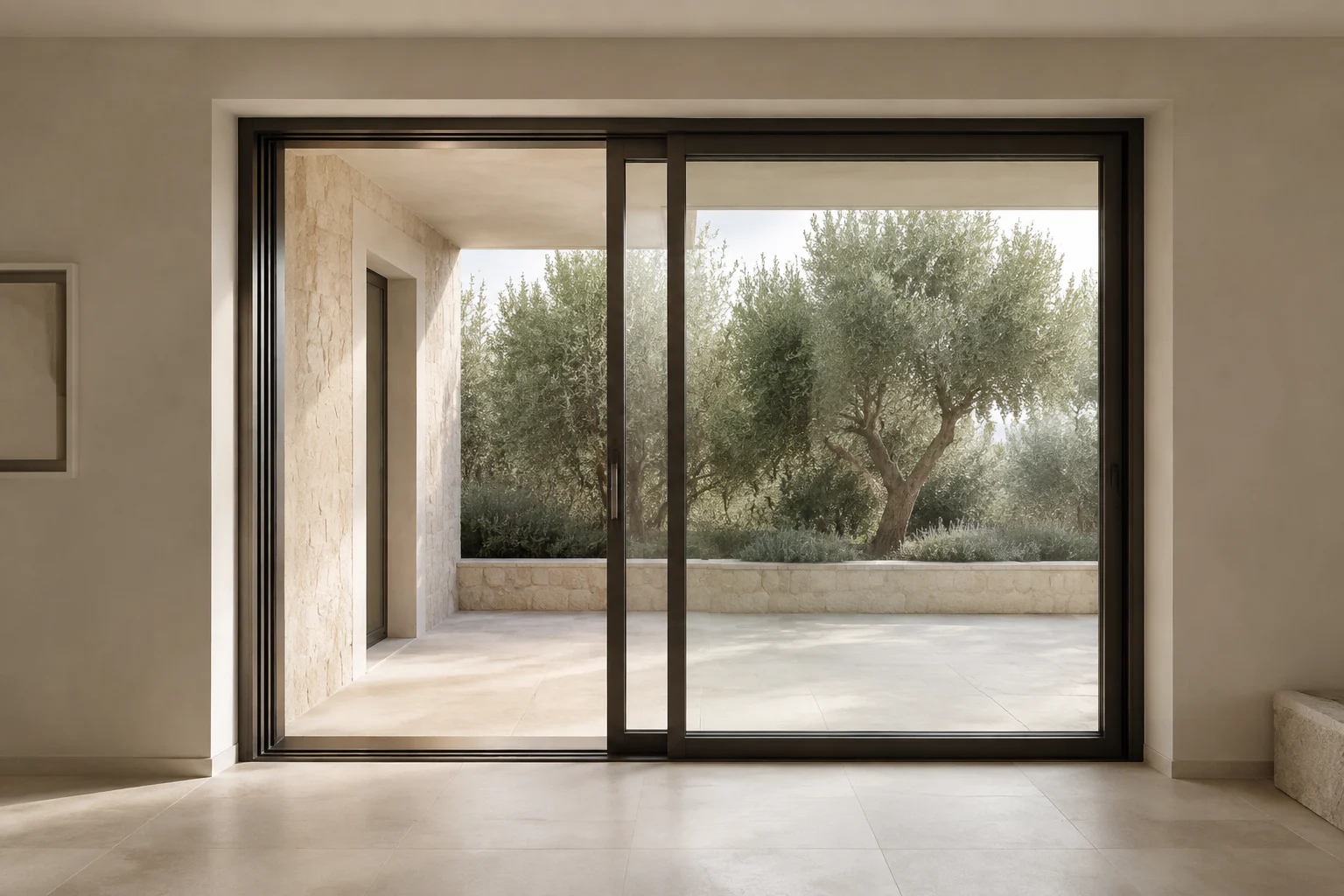
The opening schedule should identify the overall dimensions, the number of panels, which panels move, which areas remain fixed, and how people will use the opening. These decisions determine the configuration that Atlas needs to review.
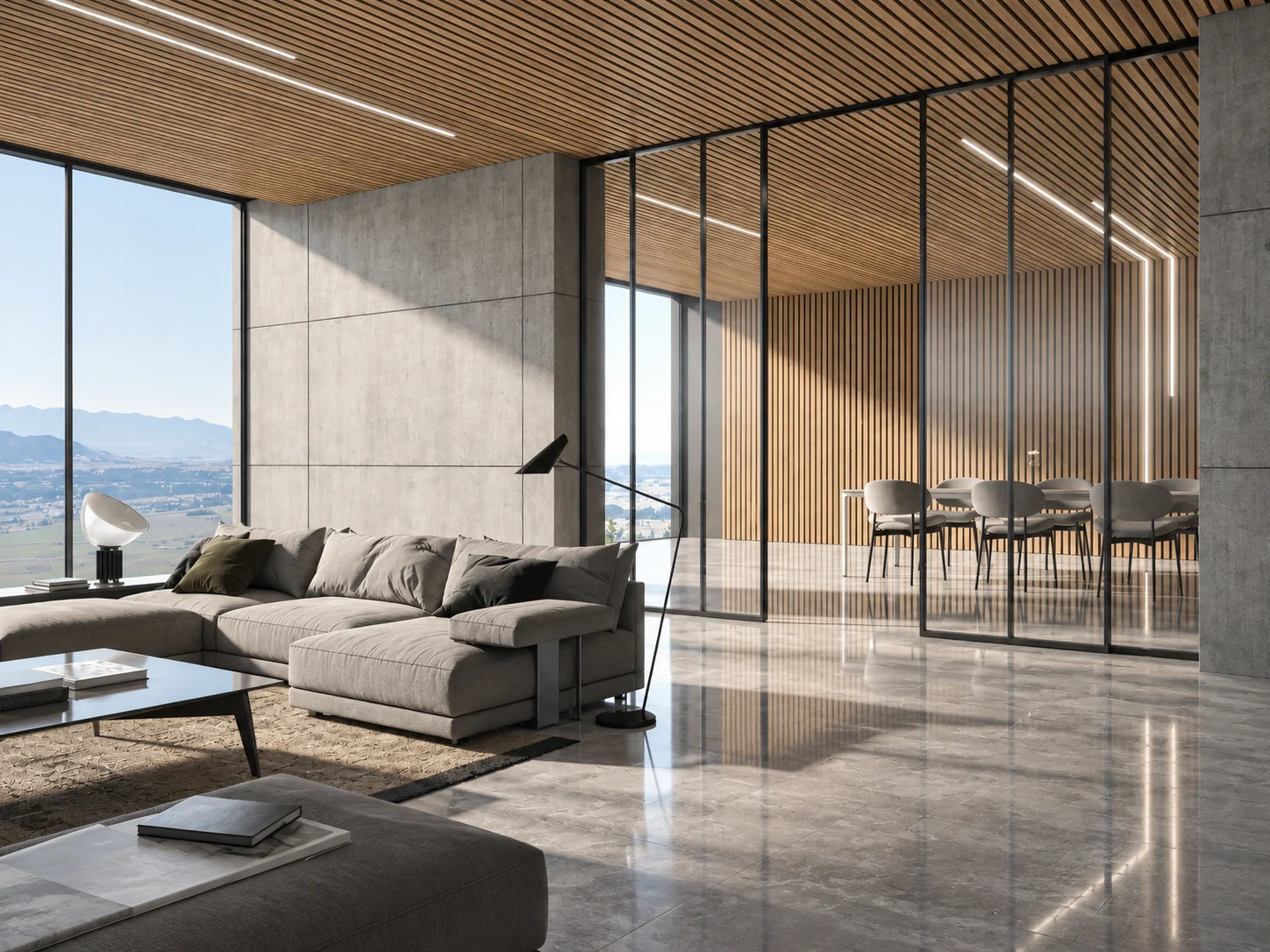
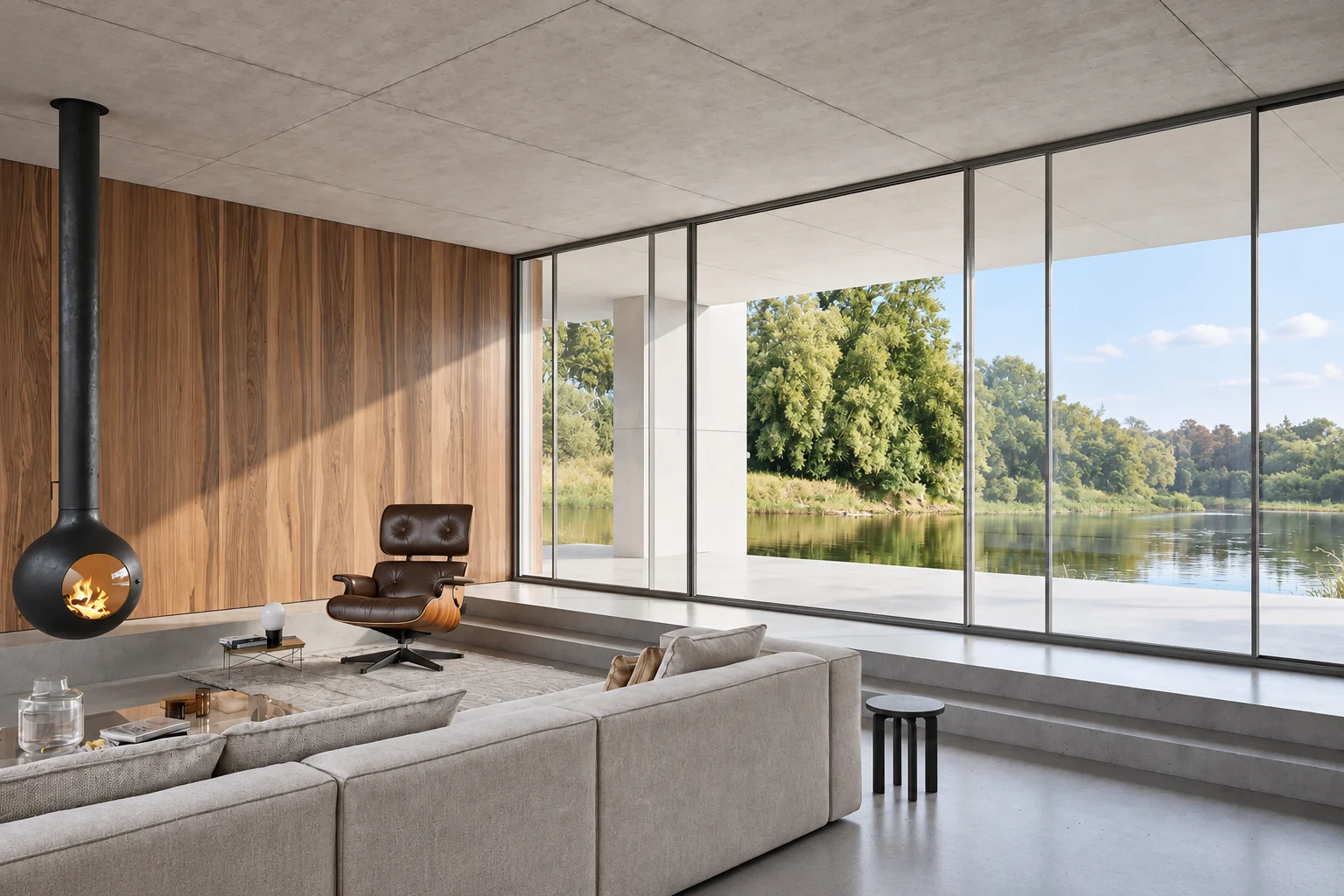
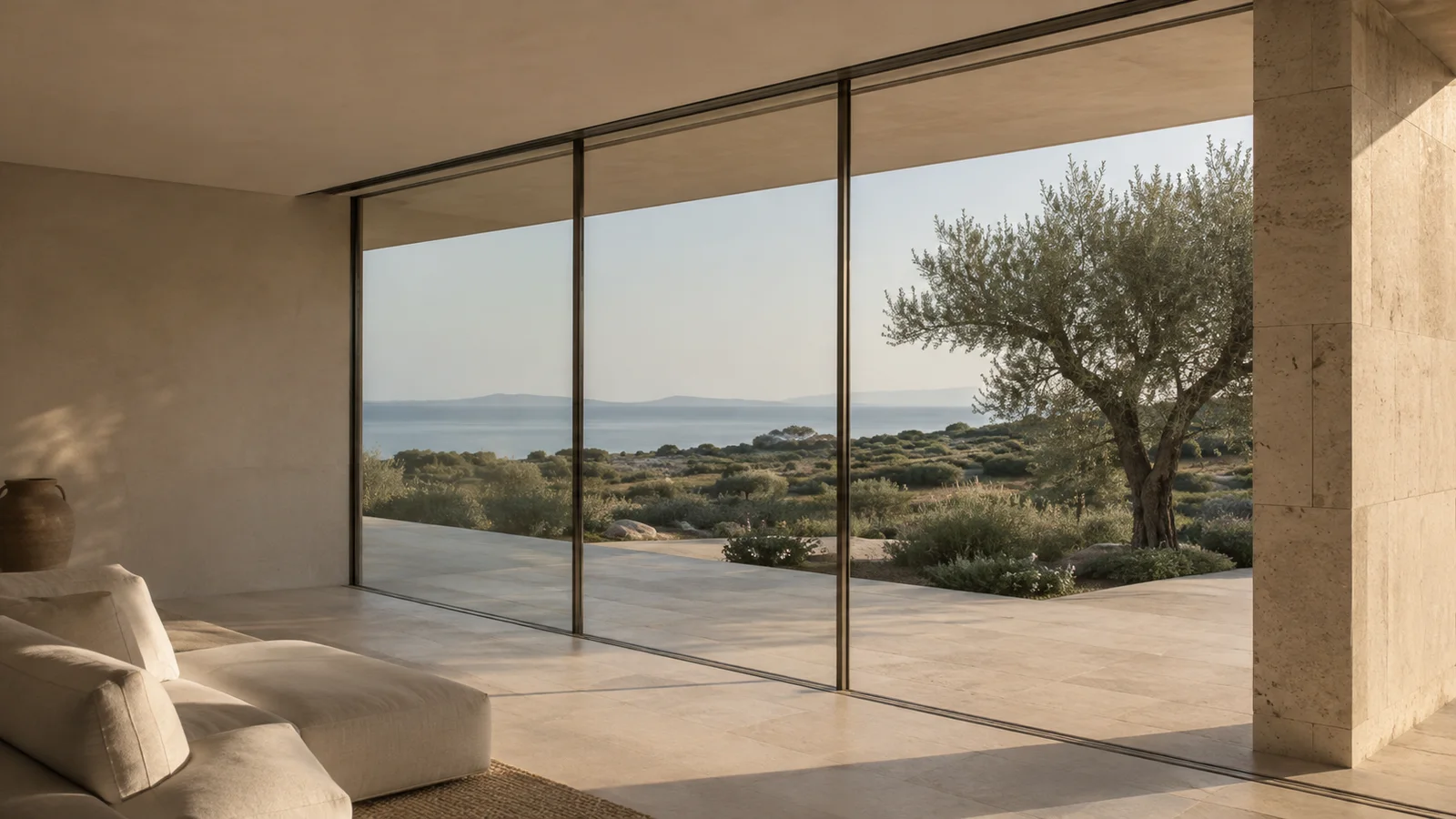
For broad glass-led compositions, also show the intended view, panel divisions, stacking direction, and relationship to adjacent walls. This makes it possible to discuss the Atlas ultra-slim sliding family as part of the architecture rather than as an isolated door.
2. Glass selection and the project brief
Glass selection forms part of the system review and quotation. Provide the proposed glass make-up when it is known, together with any project-specific performance requirements that the design team expects the complete opening to address.
Atlas does not apply one generic performance value to every arrangement. The frame, glass, hardware, configuration, interfaces, and site conditions must be considered together before any project-specific recommendation is confirmed.
3. Hardware and operating requirements
Handles, locking requirements, and other project hardware should be identified early. Their selection must suit the intended daily use and coordinate with the visual language of the frame and surrounding finishes.
State who will use the opening, which side requires access, and whether any special hardware requirements are part of the brief. A quotation based on an undefined hardware scope is difficult to compare with one based on a resolved schedule.
4. Finish and visual coordination
The selected finish and the level of coordination with adjacent aluminium, stone, timber, ceilings, walls, or joinery form part of the project discussion. Finish references are especially useful when several openings or product families need to read as one architectural composition.
Provide finish schedules or reference samples where available. This reduces ambiguity and keeps the quotation aligned with the design intent.
5. Thresholds and surrounding interfaces
An ultra-slim sliding opening must be coordinated with internal and external floor levels, the threshold, surrounding construction, drainage strategy, wall returns, and finish terminations. These interfaces should be visible in sections and details rather than left as assumptions.
Early coordination helps Atlas review the complete opening and identify questions before the quotation scope is finalised.
6. Site conditions and requested scope
Project location and site conditions are relevant inputs. The enquiry should state the location and clearly describe the requested supply or support scope so availability can be reviewed for that project without assuming local stock, installation, or nationwide coverage.
Keep exclusions and responsibilities visible when comparing quotations. Two totals are not comparable when they describe different products, interfaces, or scopes.
What to send for a useful quotation
- Plans, elevations, sections, and the opening schedule
- Overall opening dimensions and proposed panel arrangement
- Fixed and operable areas, movement direction, and access requirements
- Proposed glass and the project-specific performance brief
- Hardware and finish requirements
- Internal and external floor levels and surrounding interface details
- Project location, site conditions, programme context, and requested scope
If some decisions are still open, mark them clearly. A useful early review can identify what must be resolved before a final system recommendation or quotation is prepared.
How Atlas reviews the sliding system
S138 and S168 are active ultra-slim sliding systems. Atlas reviews the appropriate direction from the opening, glass, hardware, design intent, interfaces, and site conditions rather than presenting one model as a price-only substitute for the other.
S125 is also available for project enquiries. Request a configuration review and a project-specific quotation; confirm technical specifications and lead time with Atlas for the selected opening.
Continue through the relevant market page
Atlas market pages route project and partnership discussions by country. They are enquiry paths, not promises of local stock, installation, or nationwide coverage. Continue through the relevant page for the United Kingdom, United States, South Africa, Australia, Singapore, or the United Arab Emirates.
Conclusion
A reliable ultra-slim aluminium sliding door quotation begins with a defined opening, system brief, and scope. Generic price ranges cannot replace that project information.
Share the available drawings and requirements through the Atlas project enquiry. The team can then identify missing inputs and review the appropriate next step without treating an early discussion as a confirmed specification.